Walking through the streets of Galata, you find that it is not only the stones that have a history, but the kitchens too. One of the communities that lived side by side in this district for centuries was the Sephardic Jews who came from Spain. Their table brought olive oil, leeks, sour sauces and little pastries together with Istanbul's cuisine. In this article we tell you where Sephardic cuisine comes from, its traces in Galata and the three Sephardic dishes on the Barnathan Garden menu.
Who are the Sephardic Jews?
“Sepharad” is the Hebrew name for Spain. In 1492, a large part of the Jews expelled from Spain settled in Ottoman lands during the reign of Bayezid II; Istanbul, Thessaloniki and Izmir became the cities with the largest communities. They brought their language with them: Ladino (Judeo-Spanish), an old form of Spanish enriched with Hebrew, Turkish and Greek words. Today one of the places where Ladino lives on most is the kitchen; the names of many dishes are still spoken in this language.
Jewish heritage in Galata and Karaköy
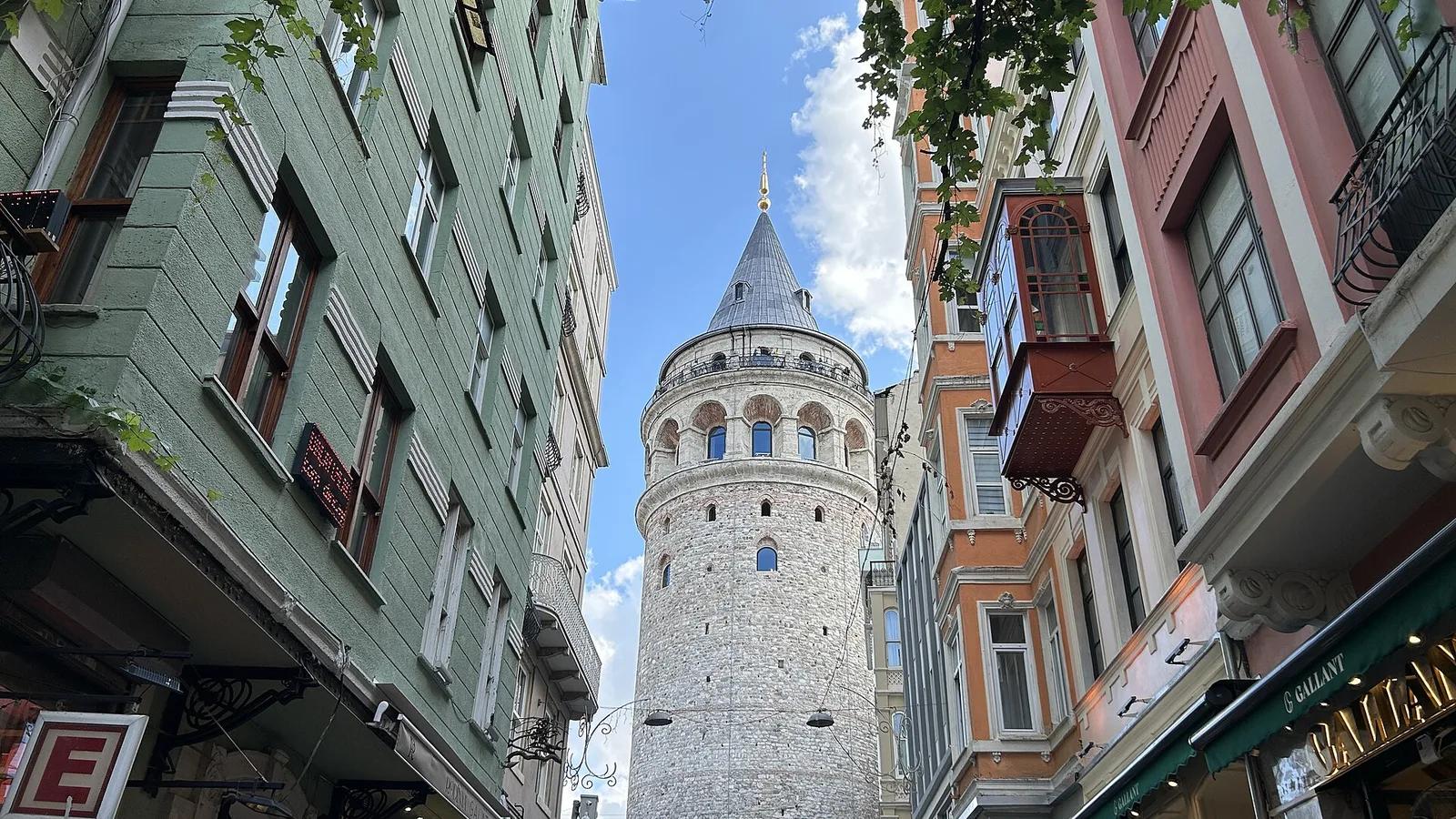
From the 19th century to the middle of the 20th, Galata was one of the districts where Istanbul's Jewish life was at its liveliest. Today you can see traces of this heritage a few minutes' walk from the Galata Tower:
- Neve Shalom Synagogue: Opened in 1951 on Büyük Hendek Caddesi, it is one of the best-known synagogues in Istanbul.
- Quincentennial Foundation Museum of Turkish Jews: Opened in 2001 in the Zülfaris Synagogue in Karaköy, the museum has been inside the Neve Shalom Synagogue since 2015. It tells the more than 500-year history of the Jews of Turkey, their daily life and their traditions.
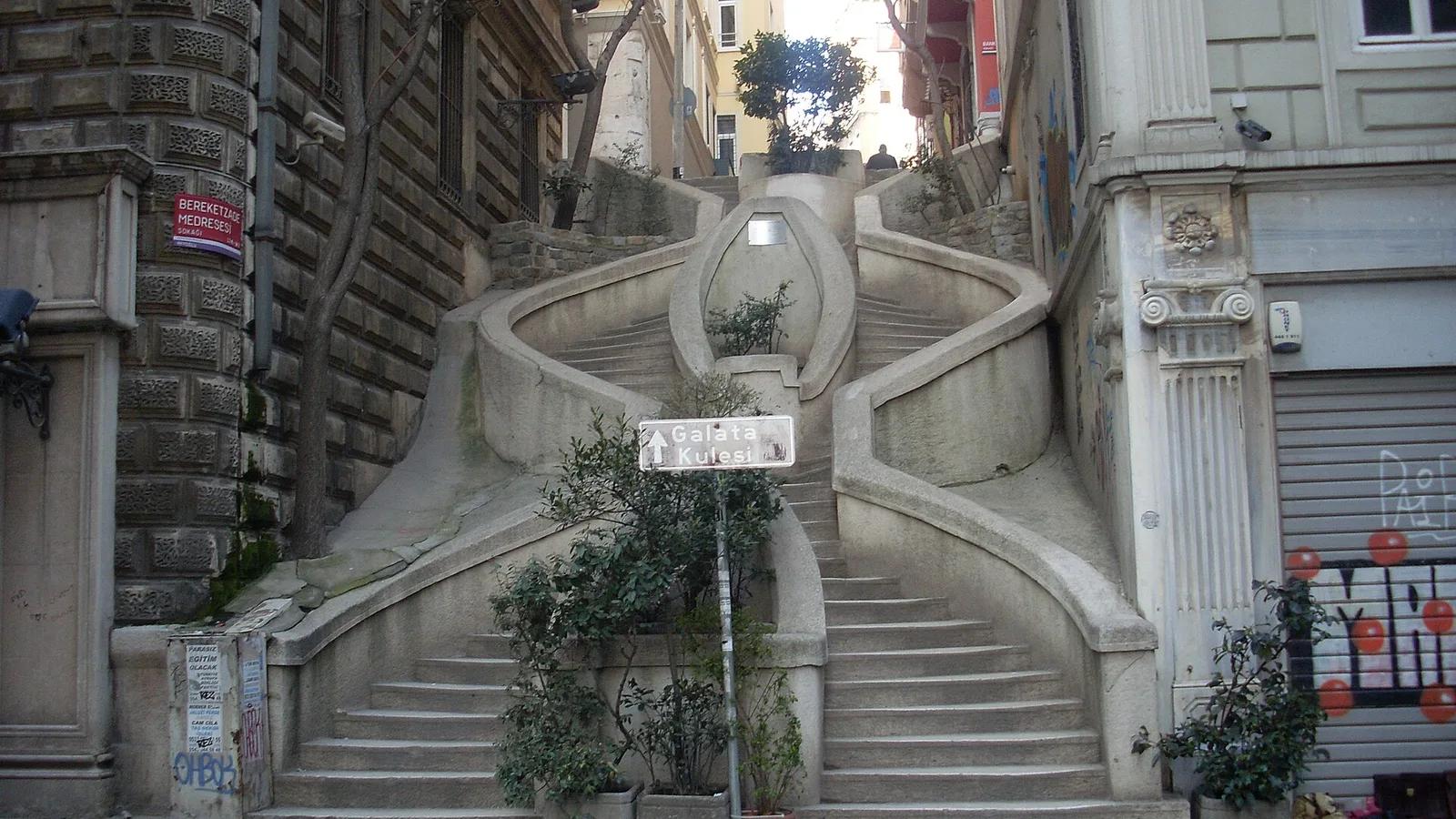
- Camondo Stairs: The winding stairs that connect Bankalar Caddesi to the streets above were built in the 19th century by the banker Abraham Salomon Camondo. We tell the family's story in our article on the Camondo Stairs.
If you are curious about the district's cosmopolitan past, take a look at our article on how Galata became cosmopolitan.
What makes Sephardic cuisine special
Istanbul's Sephardic cuisine was born from the meeting of habits brought from the Iberian Peninsula with Ottoman cuisine. Its main features are:
- Olive oil and vegetables: Leeks, spinach, aubergines and artichokes are the pride of the table; vegetables often go into köfte (patties) or pastries together with meat.
- Sour flavours: Sour sauces made with lemon are much loved; in Ladino these sauces are called agristada.
- Little pastries: Pastries made with filo or dough and filled with cheese, aubergine or minced meat are a must at holiday and weekend tables.
- Recipes passed from family to family: Most of this cuisine lives not in books but in homes; recipes pass from mothers to daughters, from family to family.
The Barnathan family and building
The building that houses Barnathan İstanbul was built in Galata in 1892. The Barnathan family, whose name it bears, was one of Galata's well-known Jewish families. The family's Sephardic origins and the story of the building are told in Çiğdem Oğuz's book Barnathan Apartmanları (The Barnathan Apartments); the book is based on archival documents and on interviews with family members who now live in different parts of the world. You can read the building's story of more than 130 years in our article Two dates carved in stone.
The Sephardic dishes on the Barnathan Garden menu are also a nod to this past. The recipes come from Sephardic families who live in Istanbul today.
Three Sephardic dishes at Barnathan Garden
Ekşili Köfte
Ekşili köfte (“sour meatballs”) is a home-style dish that carries the Sephardic table's love of sour flavours. At Garden it is served as beef meatballs with boiled potatoes and boiled carrots.
Börekitas
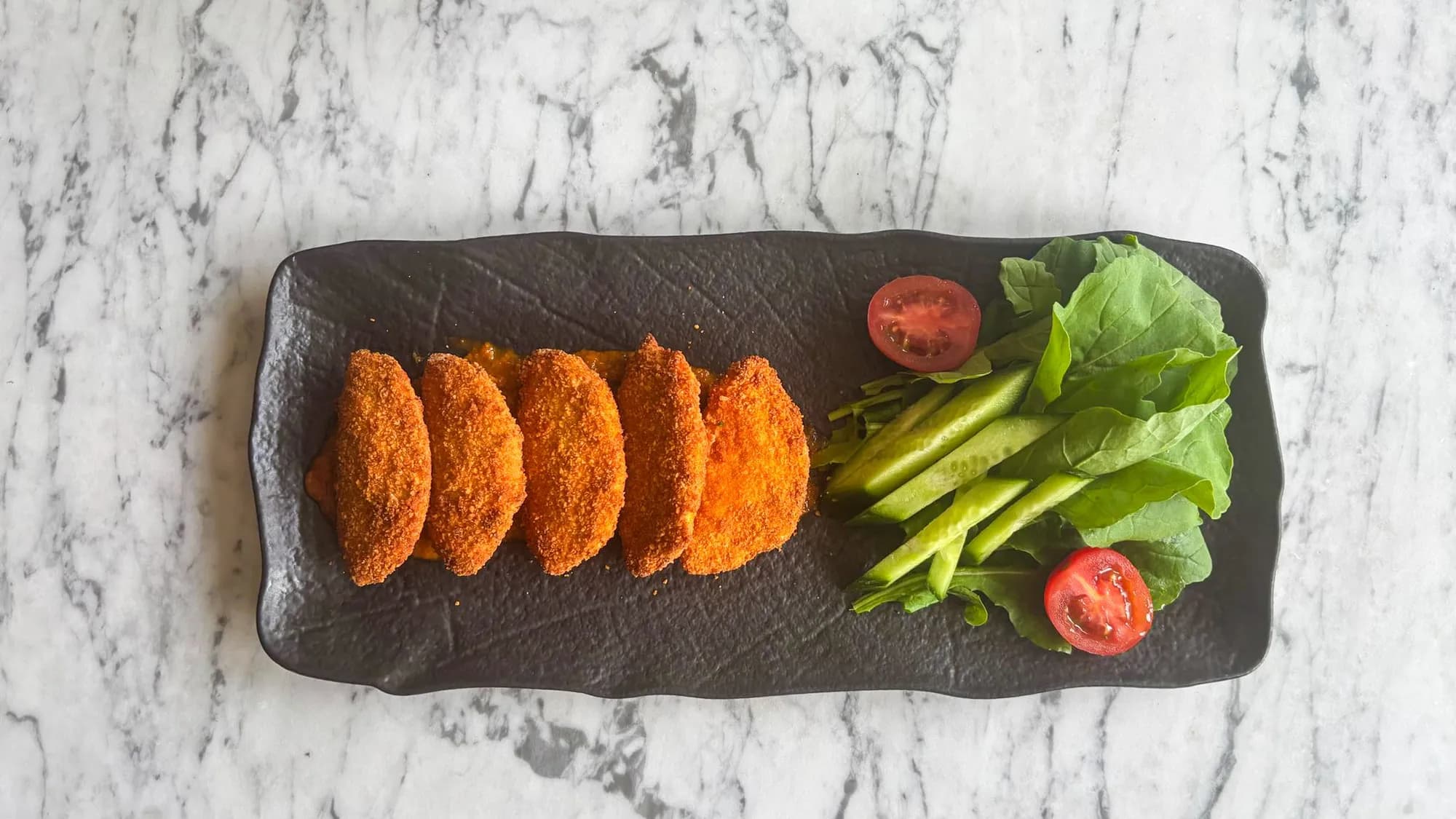
Börekitas means “little böreks” (small savoury pastries) in Ladino: the Spanish diminutive ending added to the Turkish word börek. Even its name tells the story of the Sephardic journey from Spain to Istanbul. At Garden, börekitas are made with minced beef and come with cucumber, tomato and rocket.
Pırasa Köftesi
Known in Ladino as köftes de prasa or albondigas de prasa, pırasa köftesi (leek patties) is one of the signature dishes of Turkey's Sephardic cuisine. Bringing leeks and minced meat together, at Garden these patties are made with minced beef and served with fresh greens.
A Sephardic table at Barnathan Garden
You can taste all three dishes at Barnathan Garden, right next to the Galata Tower; you will find all the dishes and their ingredients in the “Sephardic Cuisine” section of the digital menu. After visiting the Neve Shalom Synagogue, the museum and the Camondo Stairs, you can end the day with a Sephardic meal at Garden. If you would like to stay in Galata for a few days, have a look at the Meroddi hotels, set in historic buildings around the Galata Tower.
Frequently asked questions
What is Sephardic cuisine?
It is the cuisine of the Sephardic Jews who were expelled from Spain in 1492 and settled in Ottoman lands. Habits brought from the Iberian Peninsula met Ottoman cuisine in Istanbul; olive oil, vegetables, sour sauces and little pastries stand out.
What are börekitas?
They are the little pastries of Sephardic cuisine. The name is a Ladino word formed by adding the Spanish diminutive ending to the Turkish word börek. They can be filled with cheese, aubergine or minced meat.
Is pırasa köftesi a Sephardic dish?
Yes. Known in Ladino as köftes de prasa or albondigas de prasa, pırasa köftesi (leek patties) is one of the best-known dishes of Turkey's Sephardic cuisine.
Where can you eat Sephardic dishes in Galata?
The menu of Barnathan Garden, next to the Galata Tower, includes ekşili köfte, börekitas and pırasa köftesi. The recipes come from Sephardic families living in Istanbul.