Today we all call the district that stretches from İstiklal Avenue down to the Galata Tower Beyoğlu. However familiar the name sounds in Turkish, behind it lies the story of a Venetian family, a diplomatic title and a hillside facing the far shore of the Golden Horn. In this article we explain where the name Beyoğlu comes from, what the district's old name Pera means and how the two names lived side by side for centuries.
Beyoğlu's old name: Pera
Beyoğlu's name from Byzantine times is Pera. The word means "beyond, across" in Greek and described the hills on the other side of the Golden Horn as seen from the historic peninsula. In older sources the area also appears as Peran en Sykais, "the fig orchard on the opposite shore".
In the Middle Ages, Pera first meant Galata, on the shore of the Golden Horn. Over time the name also spread to the vineyards and gardens climbing the hill outside the Galata walls. European sources call these slopes Vigne di Pera, the Vineyards of Pera. For Galata's own walls and moats, see our article on the walls of Istanbul.
The Venetian bailo and his title
The representative of the Republic of Venice in Istanbul was called the bailo; in Ottoman documents the title appears as balyos or balyoz. The bailo began as the head of a colony who looked after the affairs of Venetian merchants and in time became Venice's permanent ambassador in Istanbul. He was not allowed to trade during his term of office.
The Venetian embassy was first inside Galata. Later it moved outside the walls to the Vineyards of Pera and stayed there for many years. So the slope we now call Beyoğlu became the place where Venice was represented in the Ottoman capital.
The Gritti family and the nickname "Bey Oğlu"
The person most often named as the source of the name Beyoğlu is Alvise (Luigi) Gritti. His father, Andrea Gritti, lived in Istanbul for about twenty years at the end of the 15th century as a grain merchant and for a time represented Venice at the Ottoman court without an official title. In 1523 he was elected Doge of Venice. In Istanbul, Andrea Gritti had several sons with a Greek woman; one of them was Alvise, born in 1480.
Alvise Gritti spent his childhood in Istanbul and entered the inner circle of İbrahim Pasha, grand vizier of Suleiman the Magnificent. He lived in a large mansion with a garden above Galata; the sultan and the grand vizier are said to have visited it.
According to Reşad Ekrem Koçu's İstanbul Ansiklopedisi, the Turks knew Alvise Gritti, the doge's son, by the nickname "Bey Oğlu", "the lord's son". His mansion stood in the area between today's Taksim and Galatasaray, and the district came to be called Beyoğlu after its owner's nickname. The name has been in use for centuries since.
Another explanation: from "bailo" to "Beyoğlu"
Some researchers look for the origin of the name in a title rather than in a particular person. In this view, the Venetian ambassador's title bailo turned, in Turkish pronunciation, into the similar-sounding word "beyoğlu", which is also close in meaning. Linguists call this folk etymology: a foreign word is replaced by one that sounds familiar.
The two explanations do not exclude each other. The ambassador's title, the nickname of the doge's son and the embassy in the Vineyards of Pera all meet on the same slope. Both explanations trace the district's name back to this old link with Venice.
Pera and Beyoğlu: two names, one district
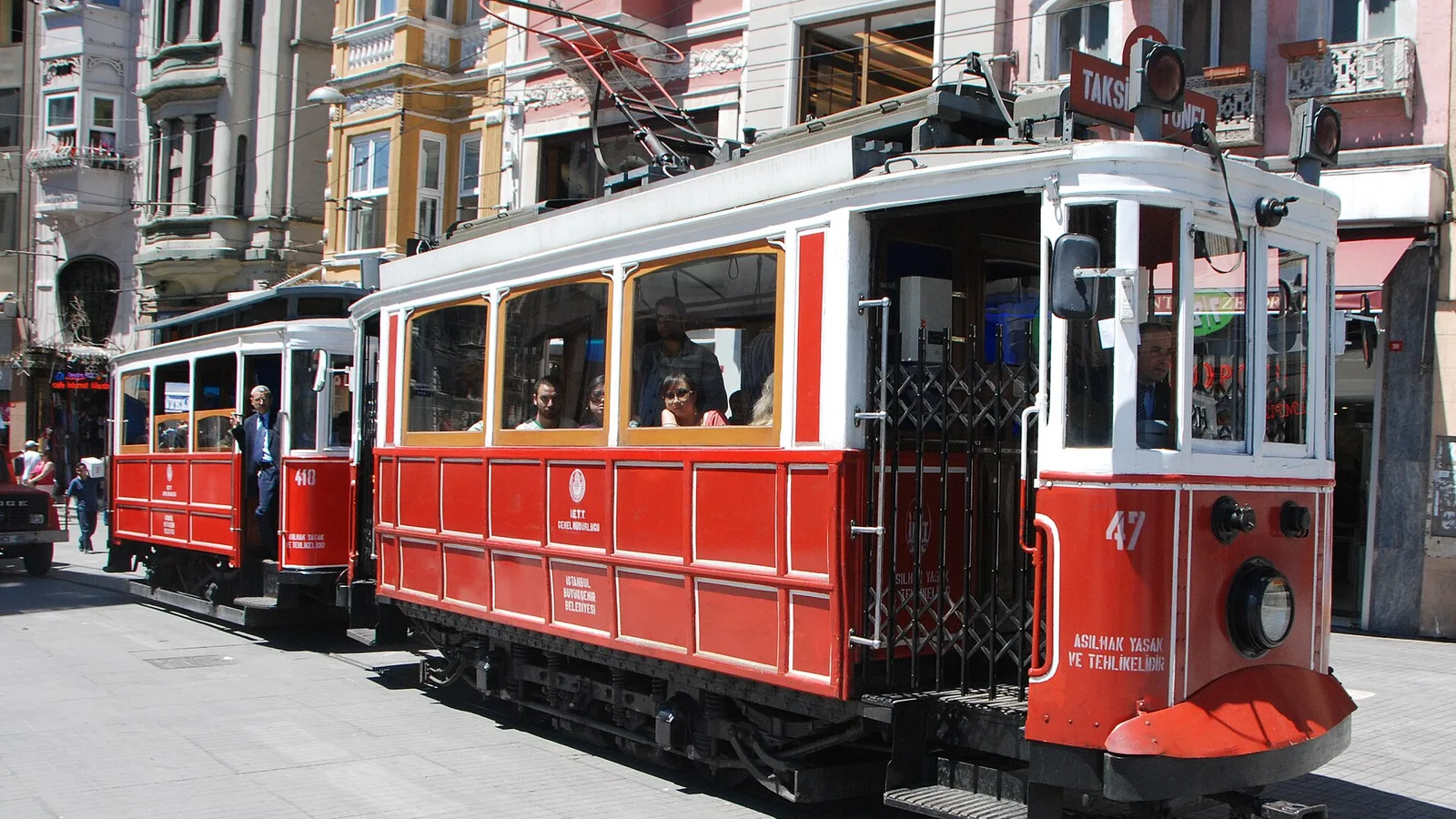
For most of the Ottoman period the two names were used together: the Turks said Beyoğlu, while Europeans and Levantines went on saying Pera. The Grande Rue de Péra, lined with embassies, arcades and theatres in the 19th century, is today's İstiklal Avenue. In the early years of the Republic the name Pera was dropped from official correspondence and Beyoğlu became the only name. You can read about the district's multilingual past in our article How Galata became cosmopolitan, and about the stories behind its street names in our dictionary of Galata street names.
Staying in Beyoğlu
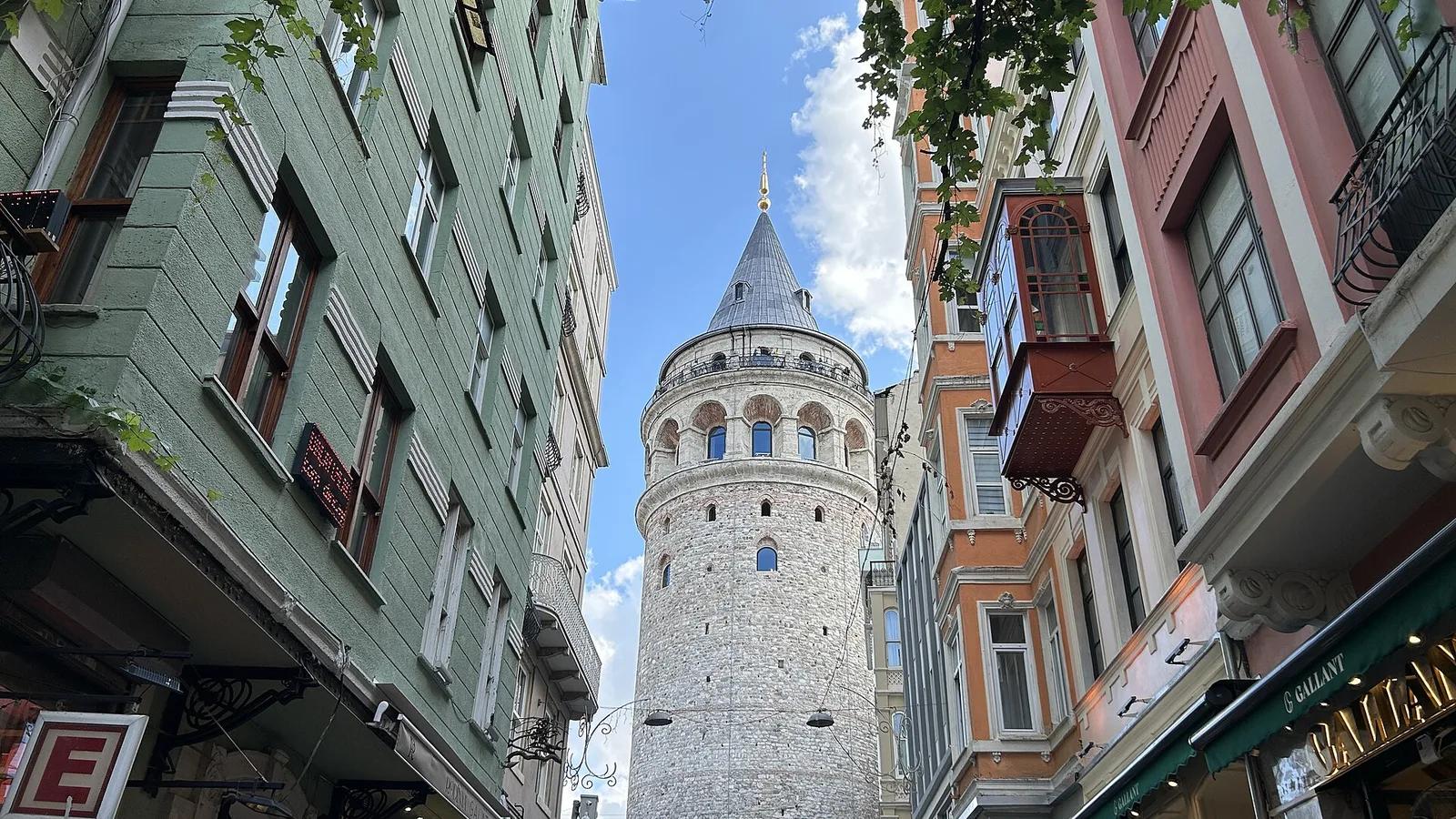
The best way to see the traces of Pera is to walk the district: the route from the Galata Tower to Tünel, and from there along İstiklal Avenue up to Galatasaray, reaches the slope where Gritti's mansion is said to have stood. For the museums along the way, take a look at our article on museums in Galata and Beyoğlu. Set in historic buildings around the Galata Tower, Meroddi hotels are a good starting point for exploring Beyoğlu on foot.
Frequently asked questions
Where does the name Beyoğlu come from?
According to the most common explanation, the name comes from Alvise Gritti, son of the Venetian Doge Andrea Gritti, who had a mansion on this slope in the early 16th century and whom the Turks called "Bey Oğlu". Another view holds that the Venetian ambassador's title "bailo" turned into "beyoğlu" in everyday speech.
What was Beyoğlu's old name?
Beyoğlu's old name is Pera. It means "beyond, across" in Greek and refers to the far shore of the Golden Horn as seen from the historic peninsula.
Until when was the name Pera used?
Europeans and Levantines kept saying Pera until the end of the Ottoman period. In the early years of the Republic Pera was dropped from official correspondence and Beyoğlu became the only name.
What does balyos mean?
Balyos is the Ottoman Turkish form of "bailo", the title of the Republic of Venice's ambassador in Istanbul. For many years the Venetian embassy stood in the Vineyards of Pera, in today's Beyoğlu.
Cover photo: Janderk1968 / Wikimedia Commons, CC BY-SA 3.0.