Galata’s multicultural character is not a slogan, but a history traceable through numbers. Two figures sum up this story: according to the census of 1455, only twenty Turks lived in the area; by 1885, 47 percent of the population of Pera, Galata and Tophane consisted of foreigners. What happened in the four centuries in between?
First, there was a colony
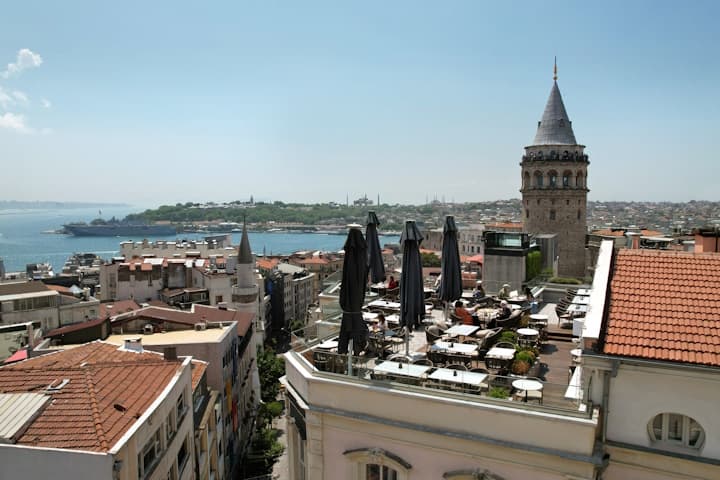
At the time of the conquest of Istanbul, Galata was a Genoese colony with its own governor — its Podestà. Seizing an opportunity at a time when Byzantium was weakening, the Genoese built its walls; during the conquest, they handed the keys of the district to Fatih Sultan Mehmet and, in return, retained their special status. This time, the Podestà was appointed by the Sultan and continued to govern the district under the title Voyvoda.
In other words, Galata was a “different” place from its very first day within the Ottoman Empire: a port district with its own order, communities and trading network. Its population consisted primarily of local Greeks, Armenians and Sephardic Jews.
Port, capitulations, bank
Trade was what made Galata grow. The Genoese had made it one of the Mediterranean’s busiest ports; this role was preserved during the Ottoman era, while the commercial privileges granted through the capitulations accelerated the flow. The district became a centre for merchants, money changers and bankers. Financial activity that developed in the area now known as Bankalar Caddesi, the concentration of shops around Karaköy and the working port continually increased the district’s population.
From the sixteenth century onward, foreign embassies, churches and buildings that housed embassy staff made Galata and Beyoğlu attractive to European visitors as well. At a certain point, the district began to resemble European cities not only in its architecture, but also in the languages spoken on its streets and its way of life.
Cosmopolitanism reflected in architecture
This diversity of people was reflected in stone, too. A population with different needs and expectations reshaped the city’s fabric: narrow, winding streets filled with workplaces; taverns, tailors, barbers and coffeehouses lined up; churches, synagogues and hospitals entered the district’s skyline. And finally, Istanbul’s first apartment buildings rose here — because a new middle class had emerged, one without mansions of its own but wishing to live comfortably.
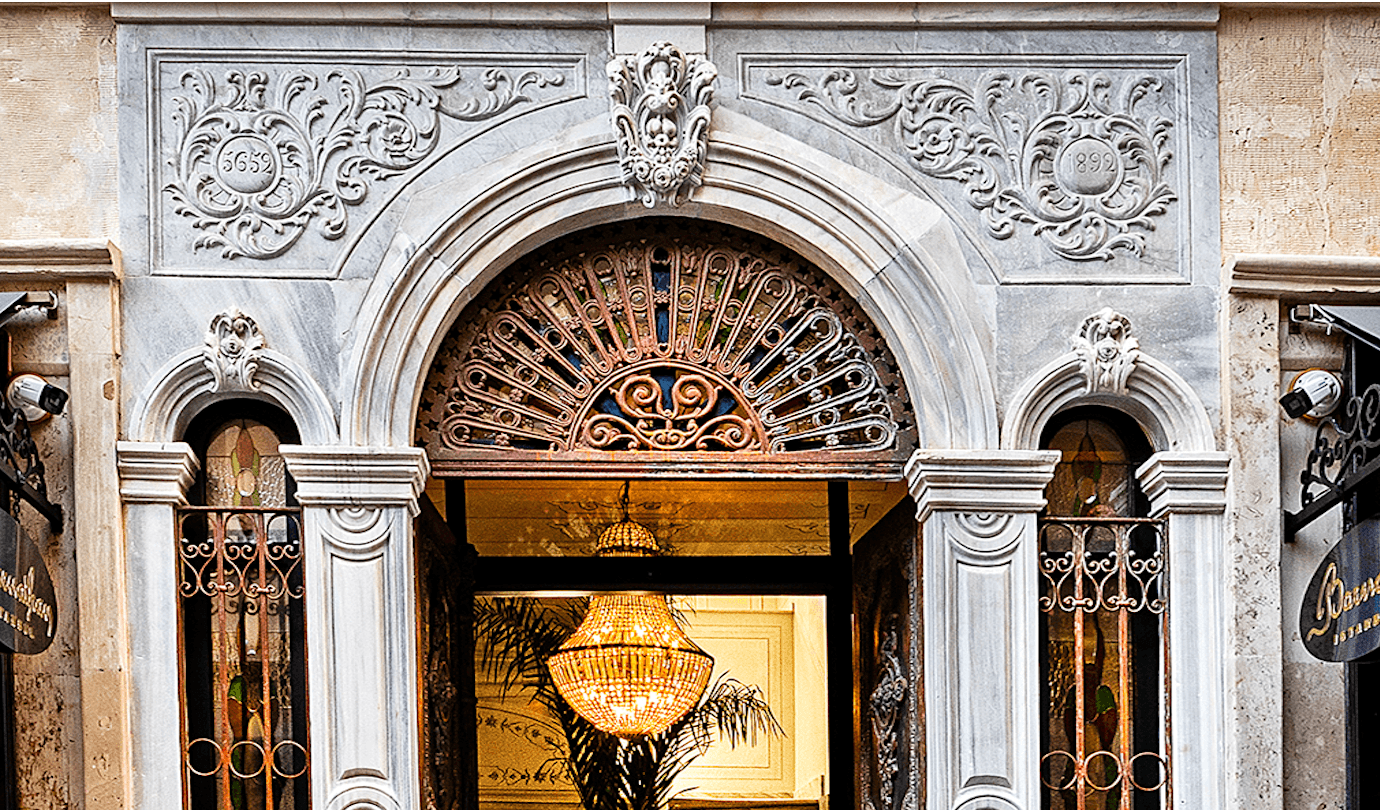
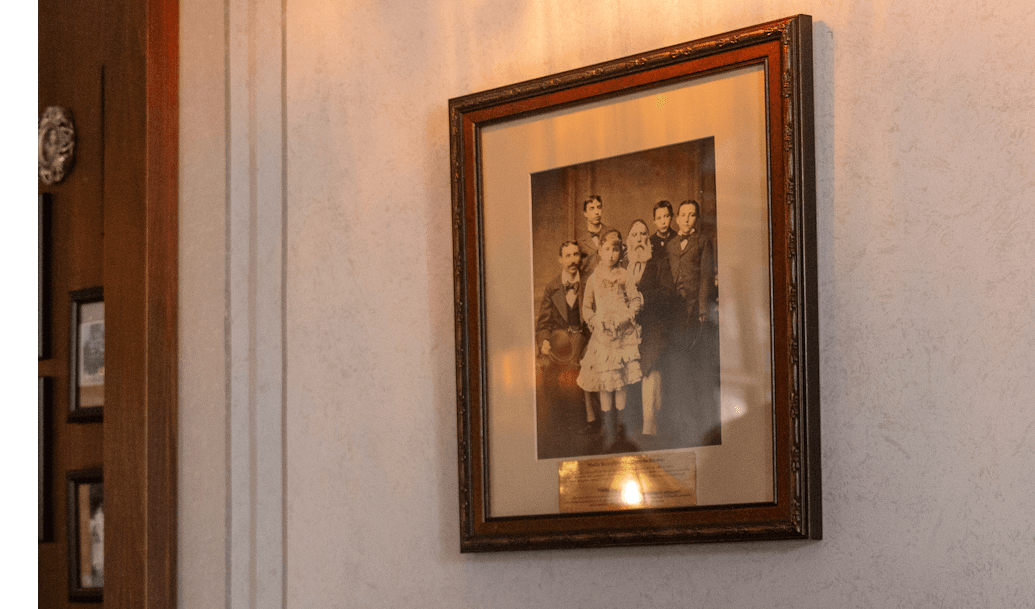
The first residents’ list of the Barnathan Apartments in 1892 offers a small example of this picture: a mirror-maker, a doctor, bankers, and employees of the Ottoman Bank and the Oriental Railways. Different origins, different professions, the same staircase.
What remains today
The twentieth century changed this fabric substantially; population shifts permanently transformed the district’s composition. Yet Galata’s cosmopolitan identity remains inscribed in stone: in inscriptions, dates written according to the Jewish calendar, French annual records, and in the very same buildings that today welcome guests from five continents.
Meroddi’s seven hotels also live within these buildings. Hearing different languages spoken by those who enter through our doors reminds us that the district’s oldest habit lives on.
Source: "Barnathan Apartments" (Çiğdem Oğuz, Nar Yatırım, 2016). To stay within this history: Meroddi Hotels →