

 Şahkulu, Tımarcı Sk. No:1, Beyoğlu


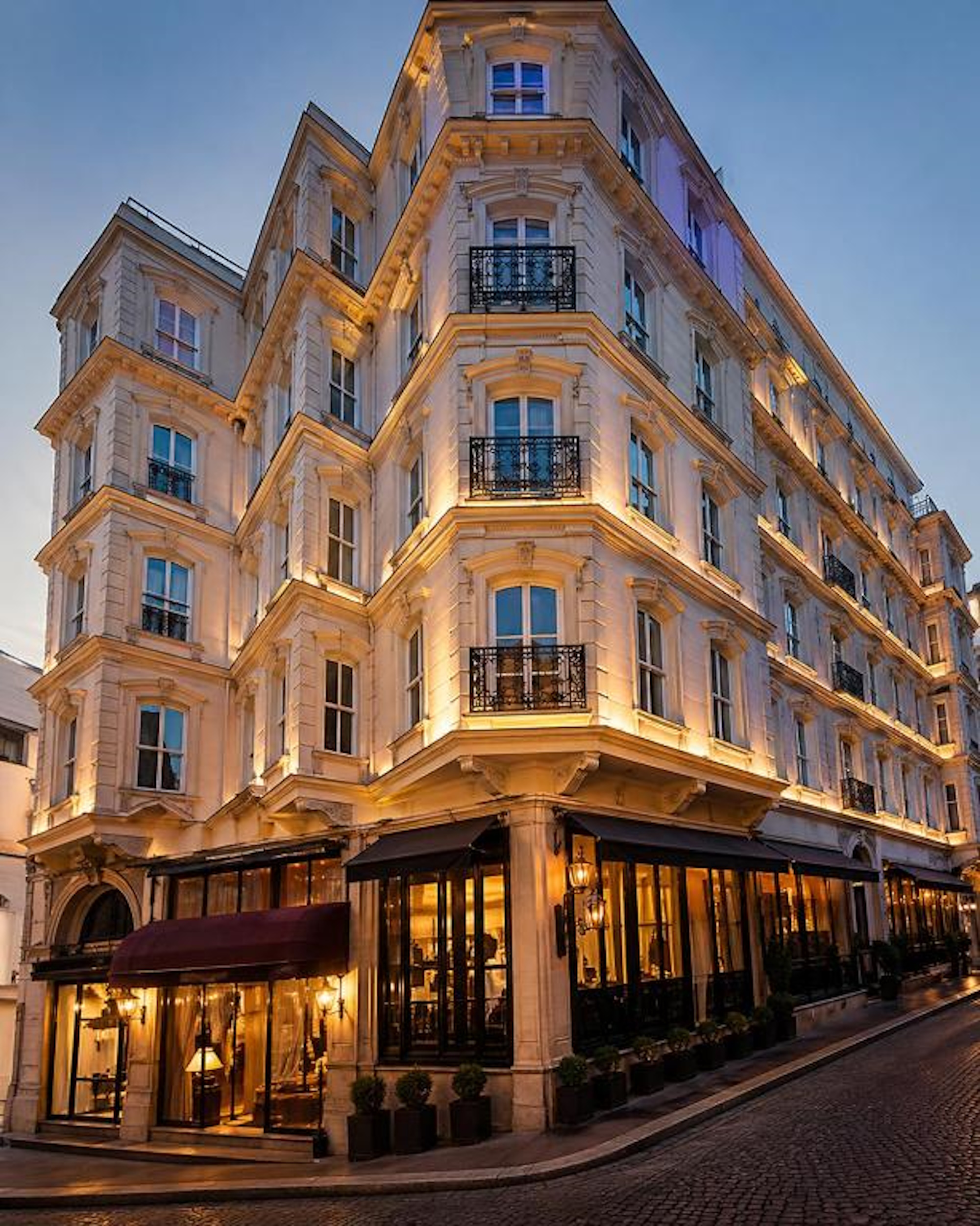
The Barnathan Apartments (1892-1893)
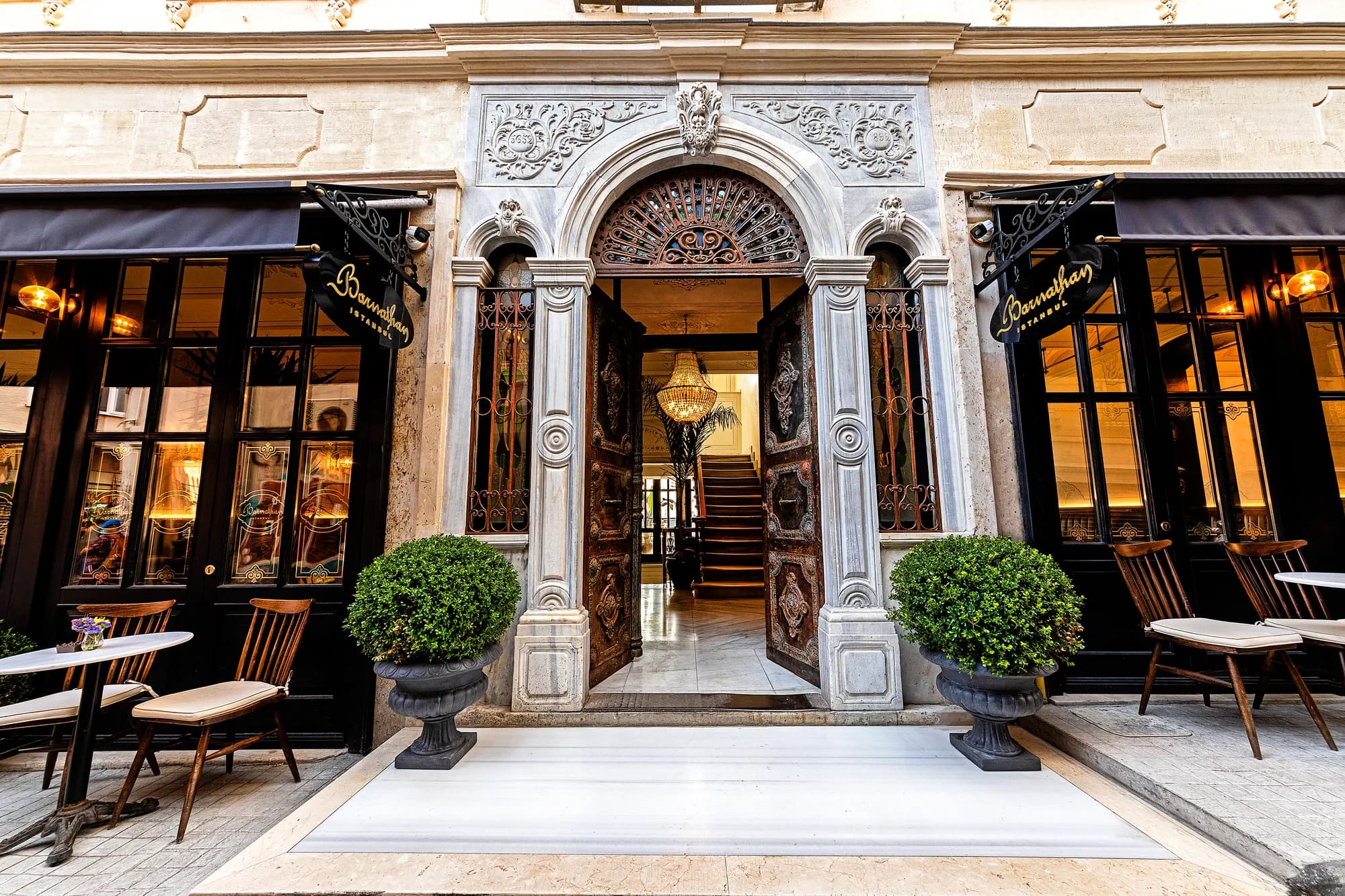
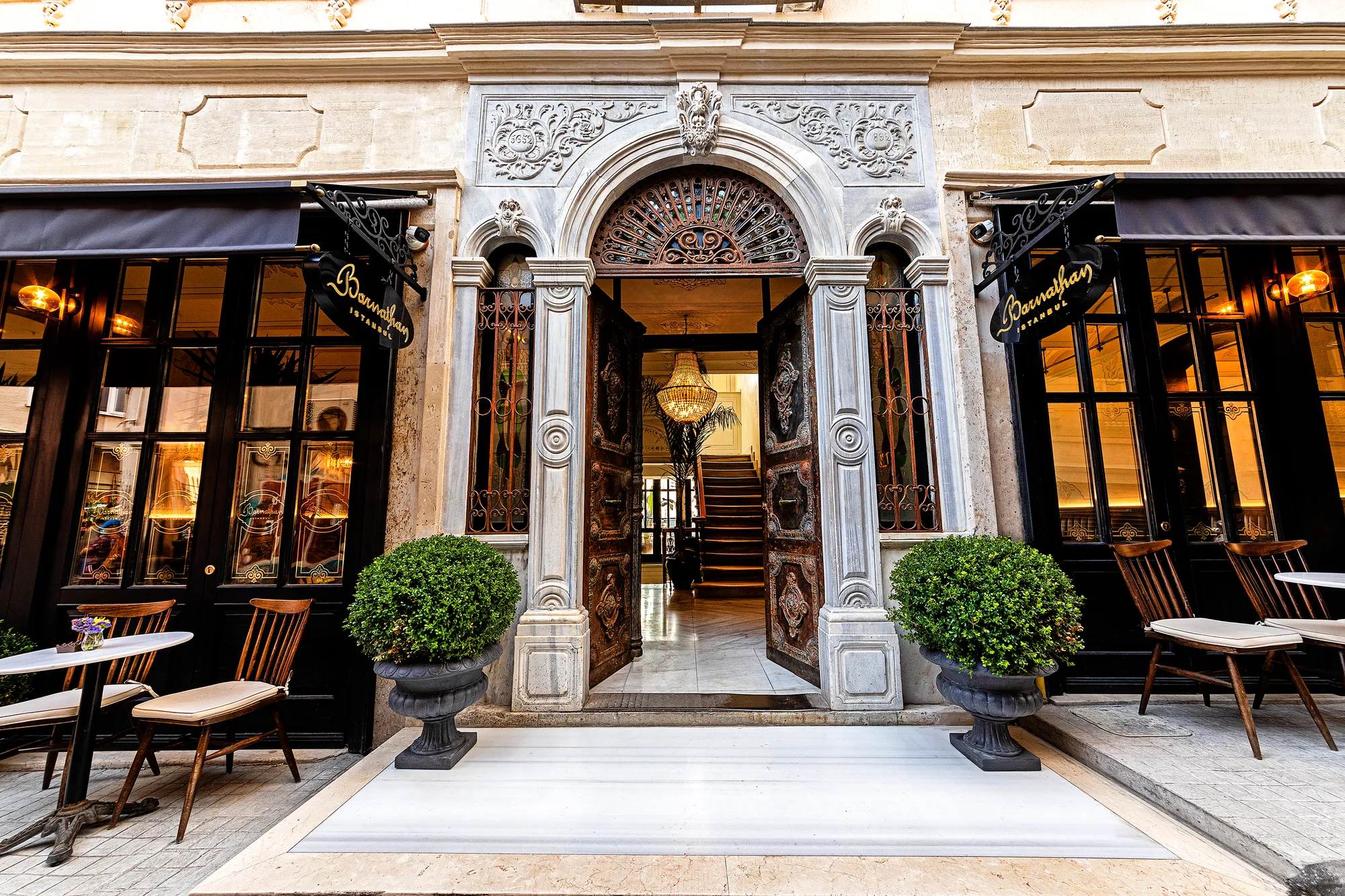
Above Barnathan's two entrances the construction dates are still carved in stone: 1892 over one door, 1893 over the other — and beside them, 5652 and 5654 in the Hebrew calendar. One of the first examples of the apartment houses that rose in Galata at the end of the 19th century, the building takes its name, in the custom of the time, from the family who owned it: the Sephardic Barnathan family, who migrated from Spain to the Ottoman Empire in 1492. Their surname means "Daughter of the Prophet Nathan" in Hebrew; the family patriarch, the banker Nissim Barnathan (1827-1907), was one of Galata's respected and influential figures.
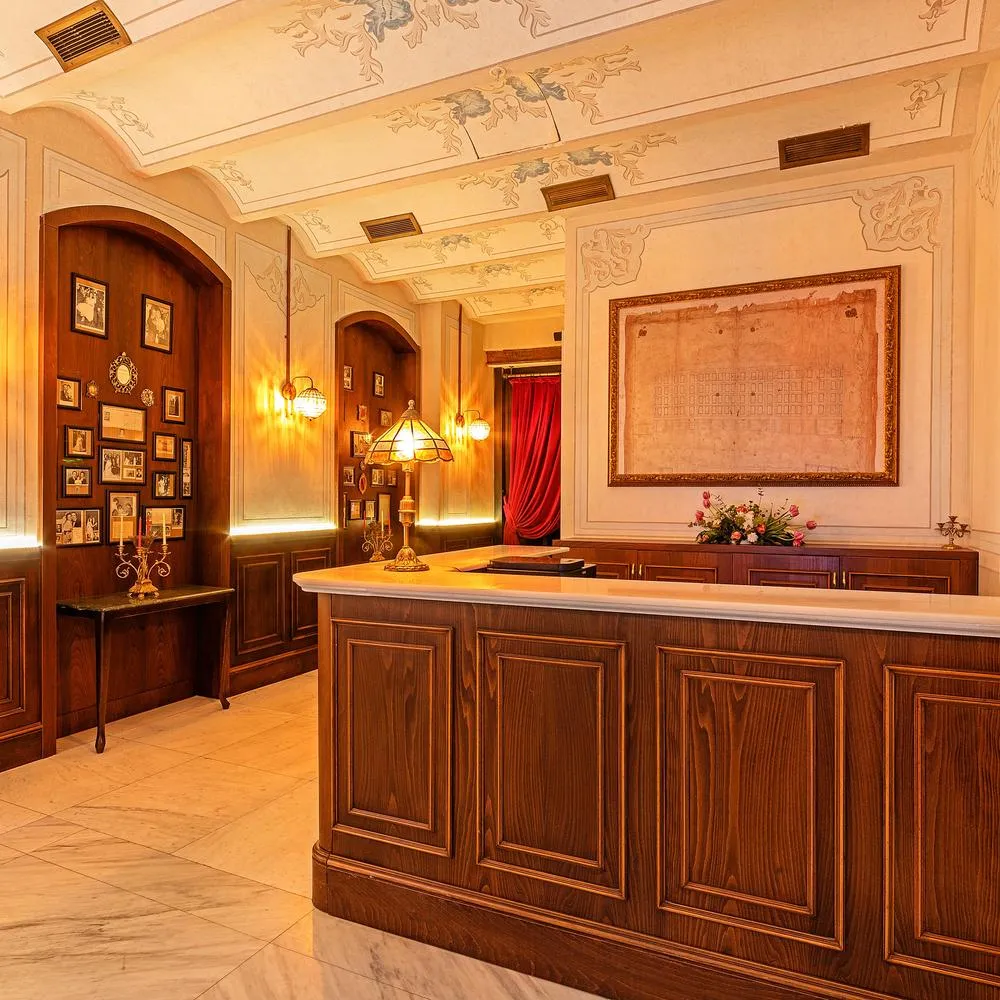
The apartment was designed as rental housing for the era's new middle class; its first residents in 1892 included doctors, employees of the Ottoman Bank, bankers and officials of the Oriental Railways. The original 1896 plan, drawn on silk and signed by engineer Charles Maruletto, was preserved in the family from generation to generation and survives to this day.
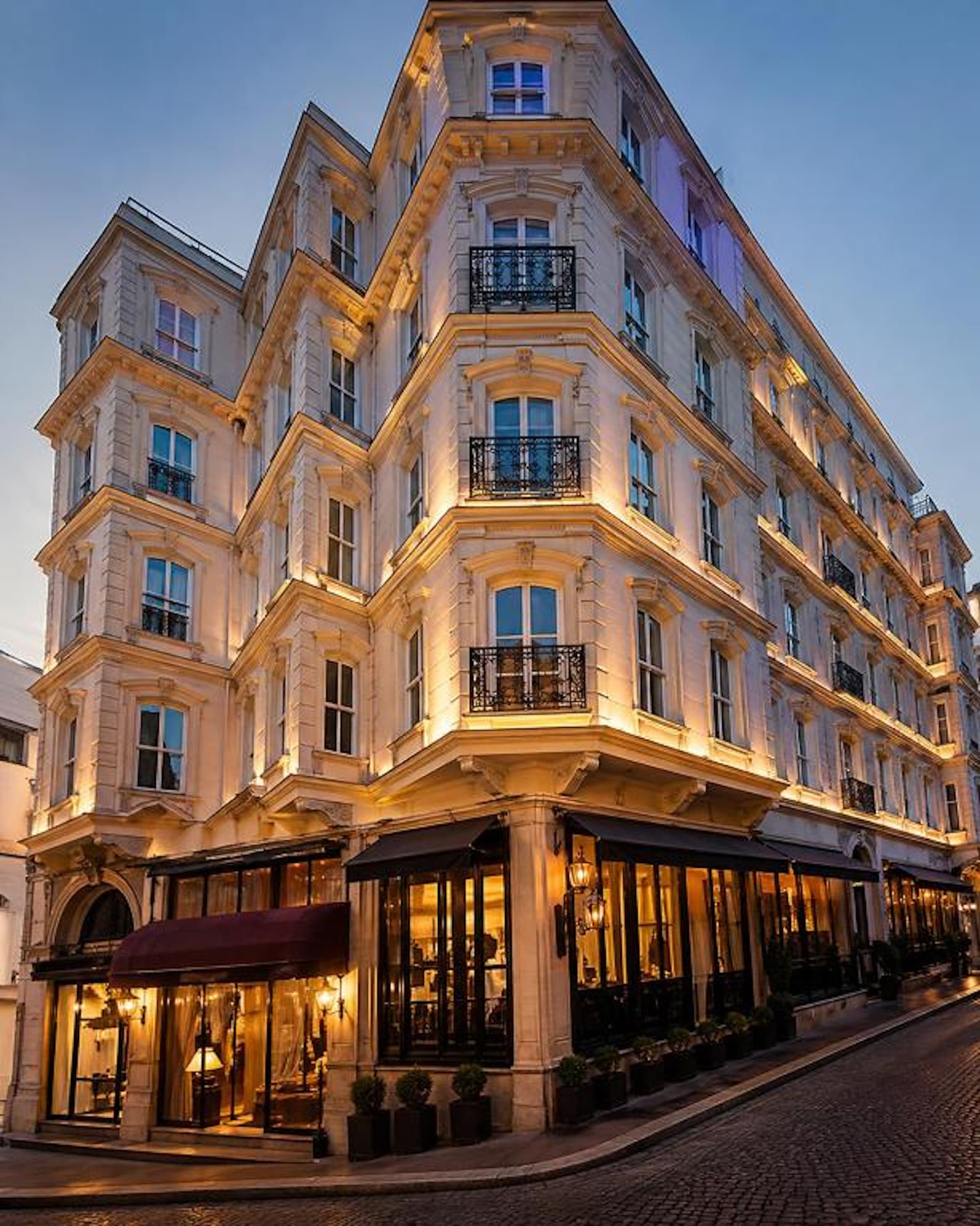
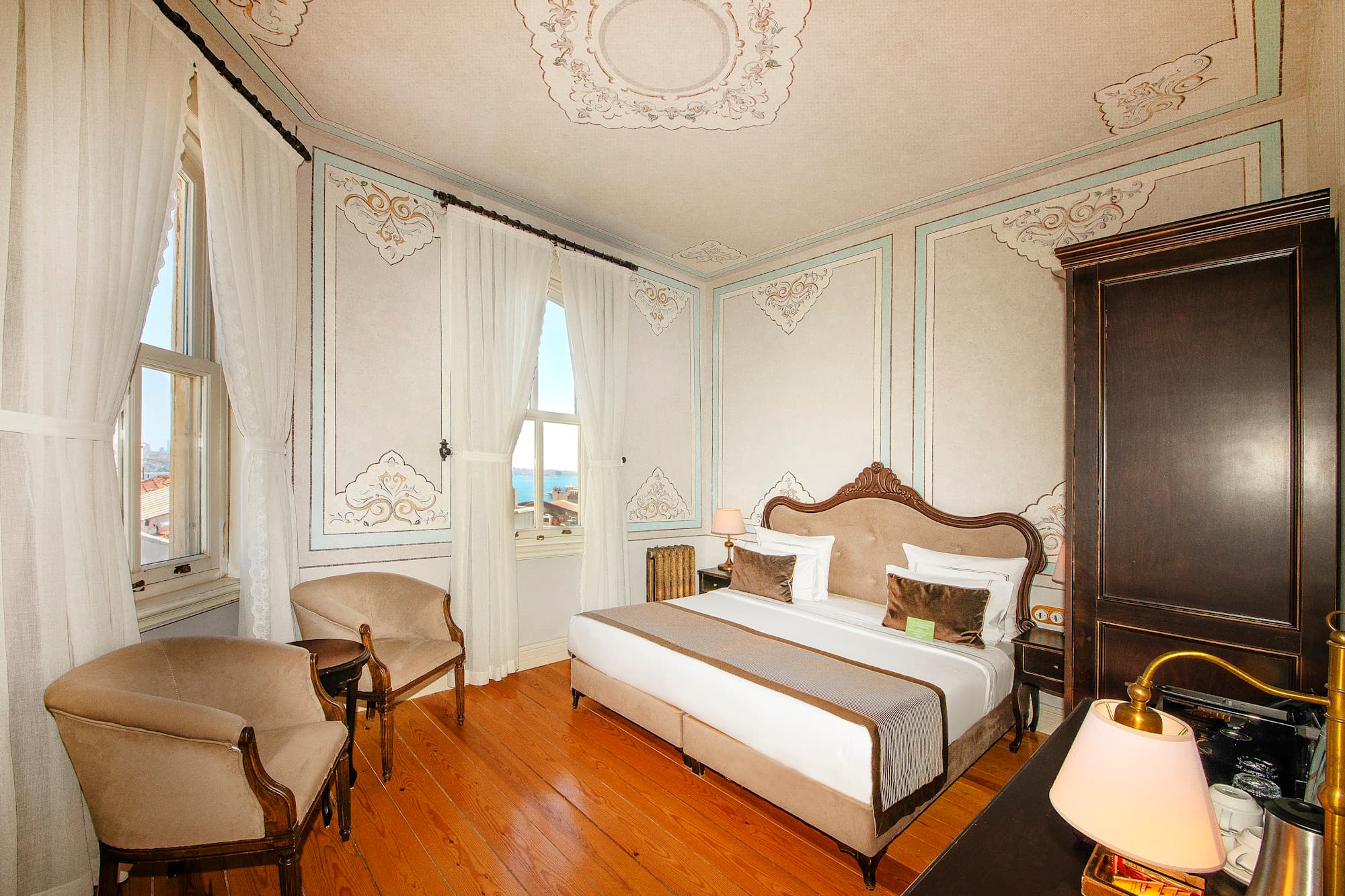
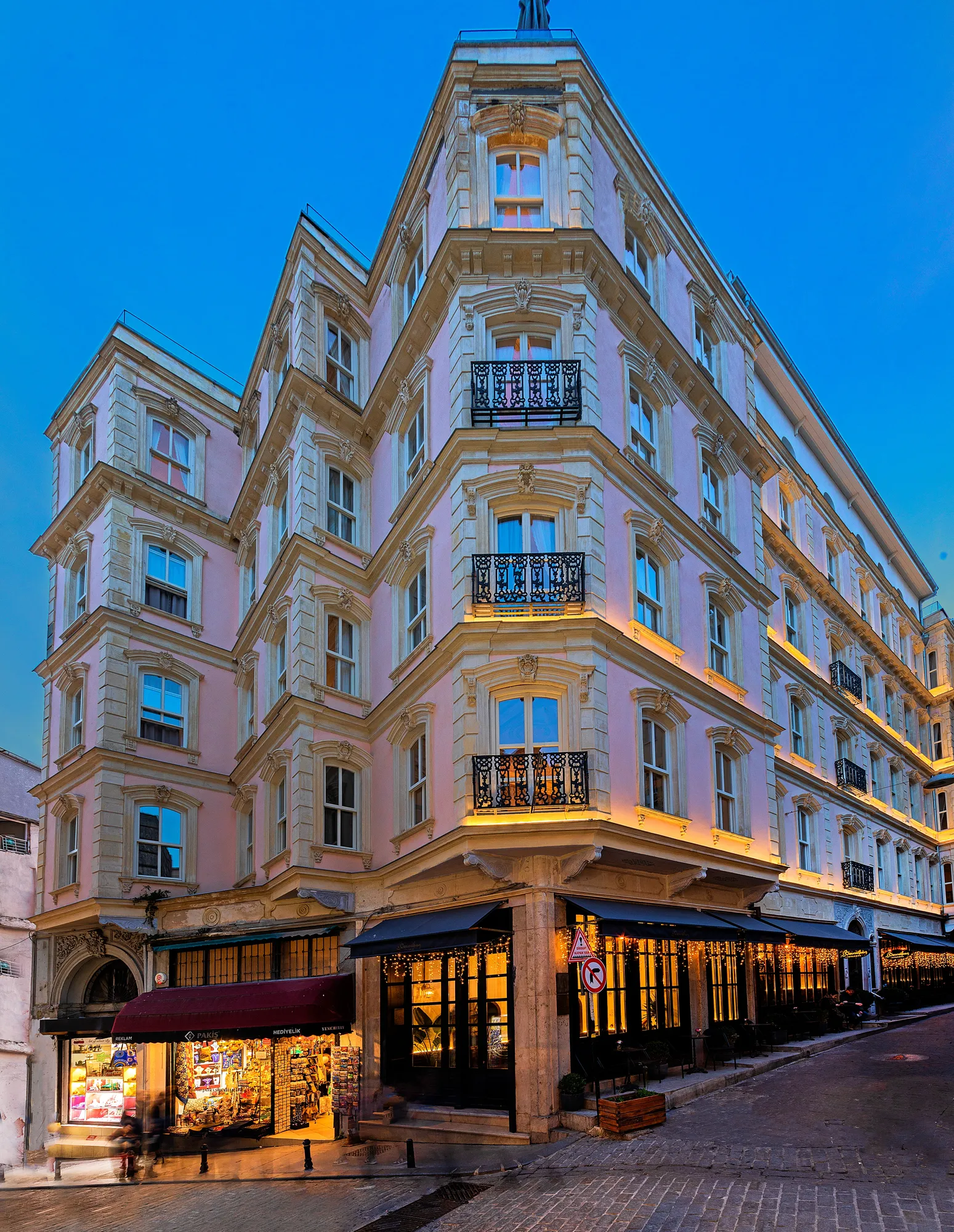
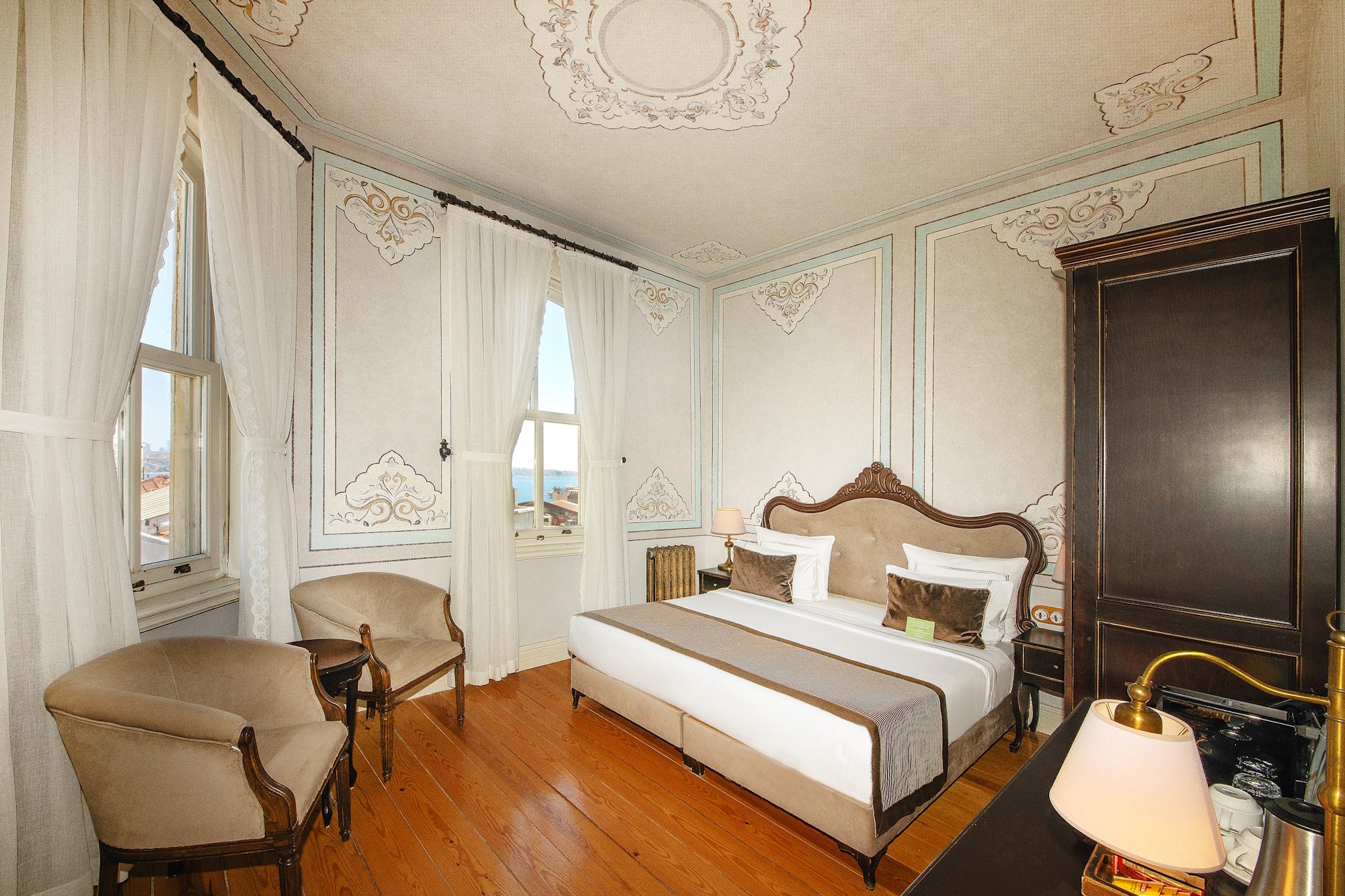
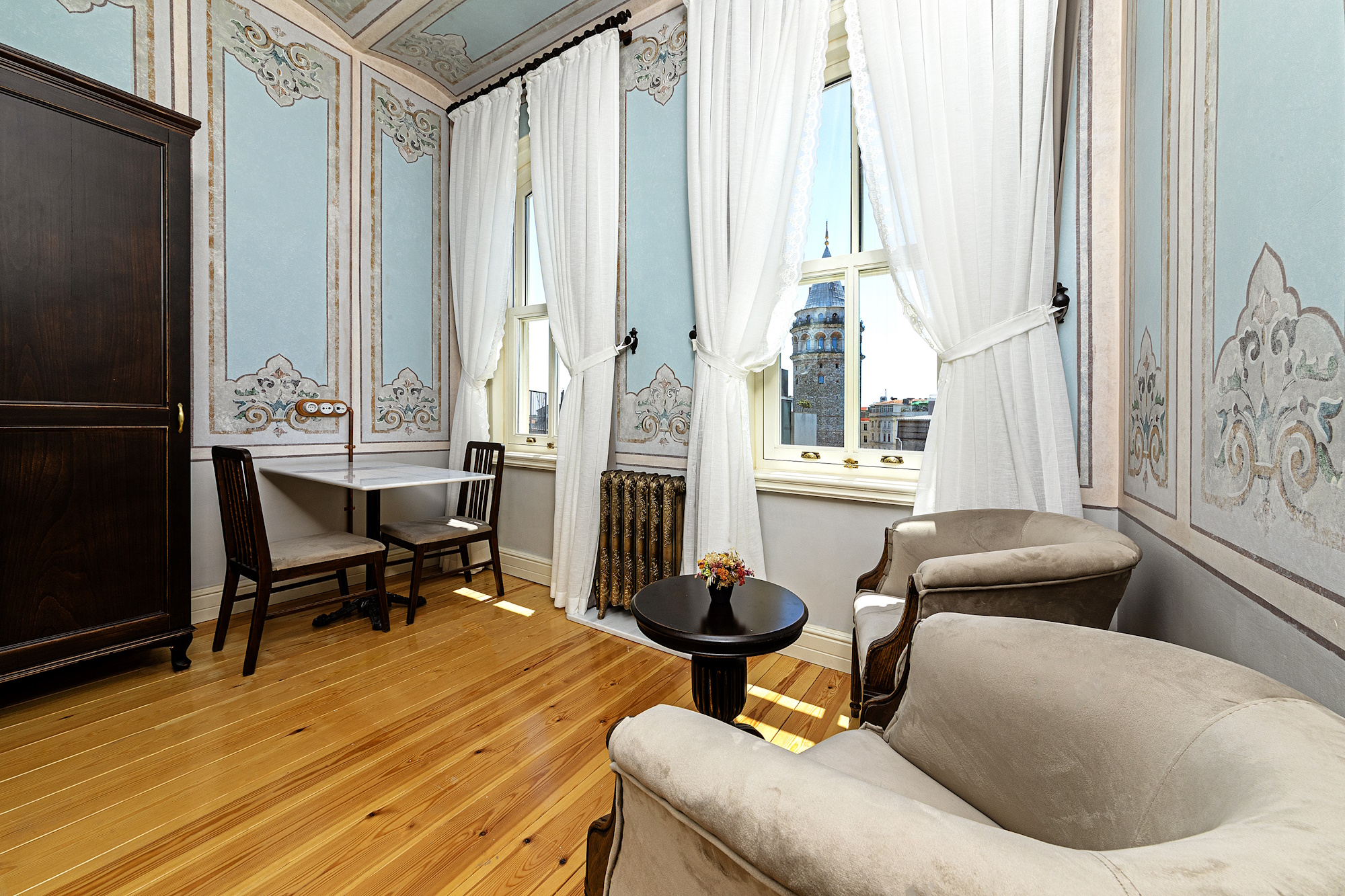
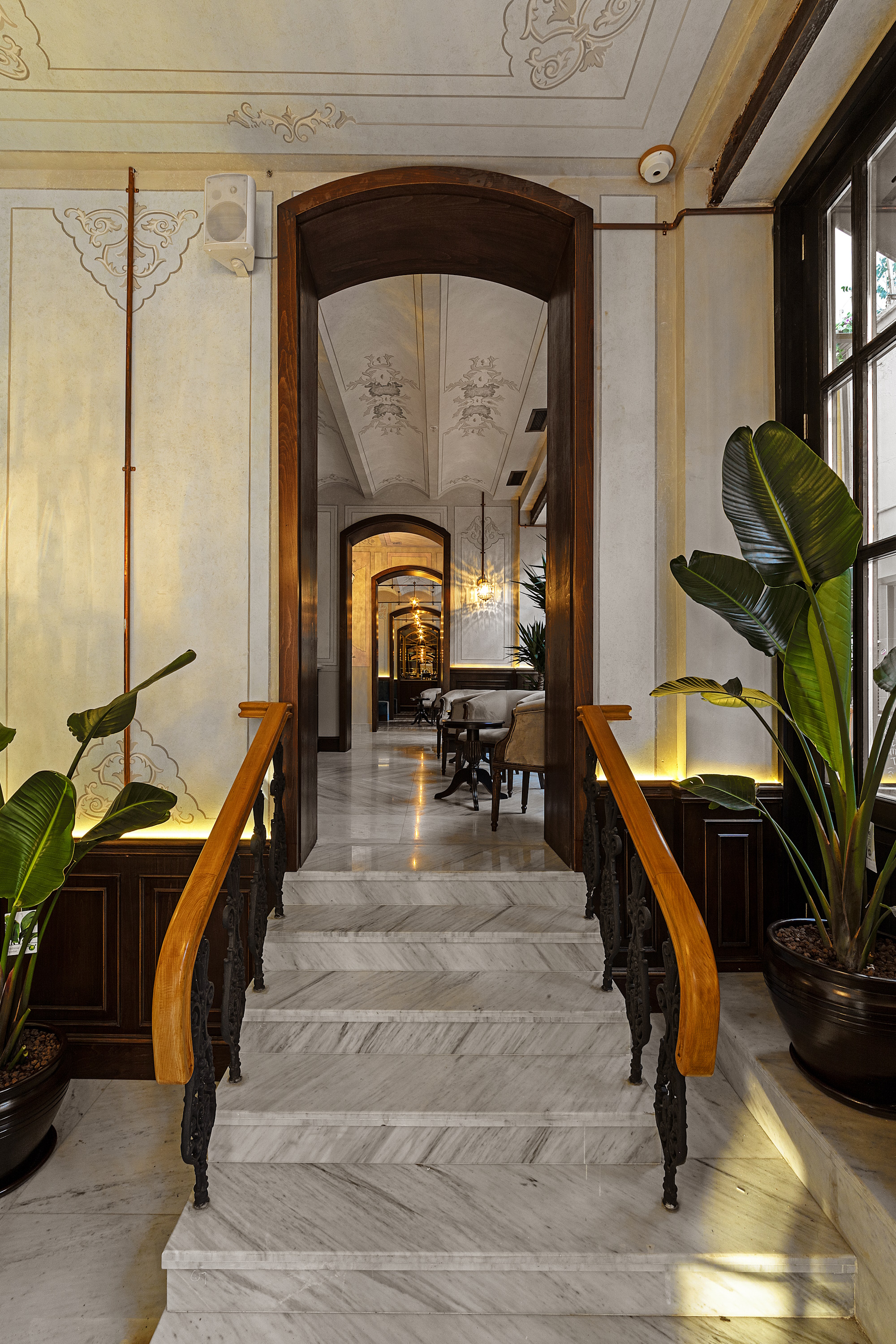
The Neoclassical façade is worked with Baroque details: reliefs of roses, grape clusters and acanthus leaves on the window frames; Marmara marble on the steps and Carrara stone from Italy on the landings; ceilings 3.40 metres high. Its most distinctive feature is the classic French balconies projecting from the building with no supports at all — of which few examples exist in Istanbul. And one city secret: the Tünel of 1875, the world's second-oldest metro, runs directly beneath Barnathan.
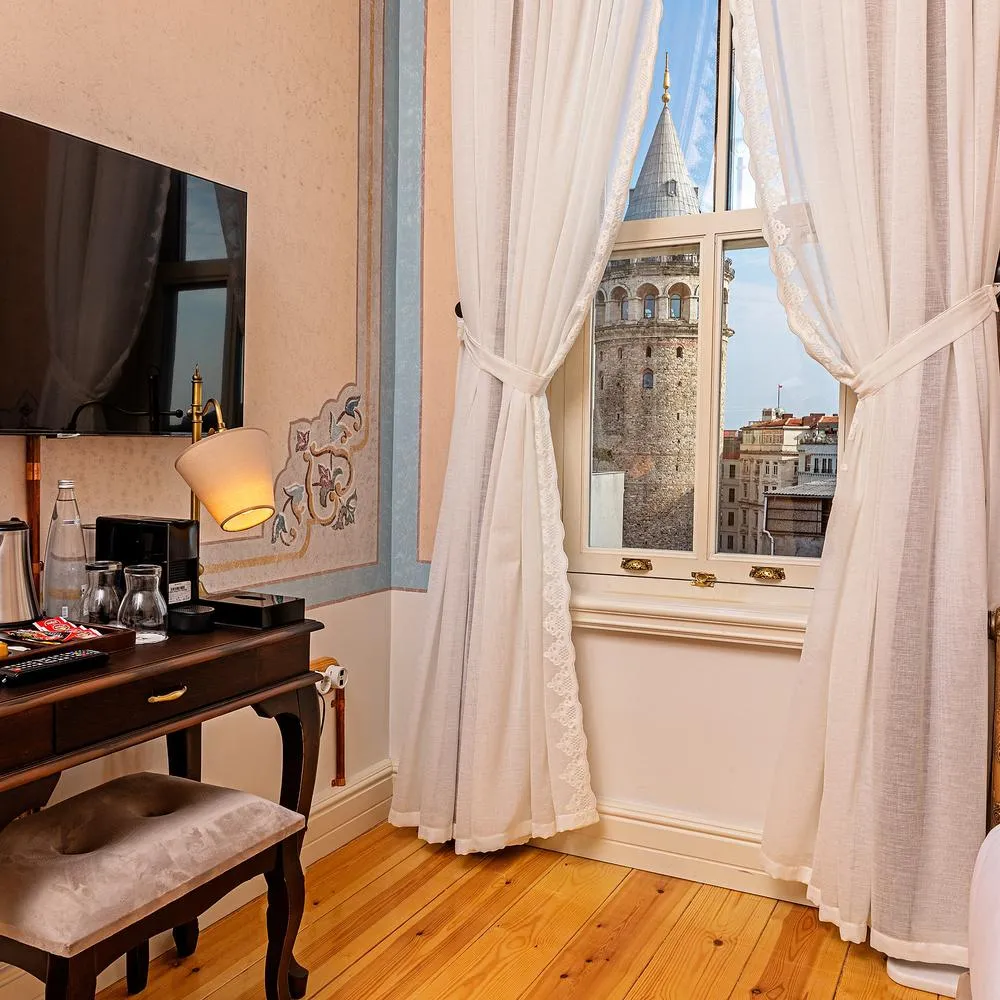
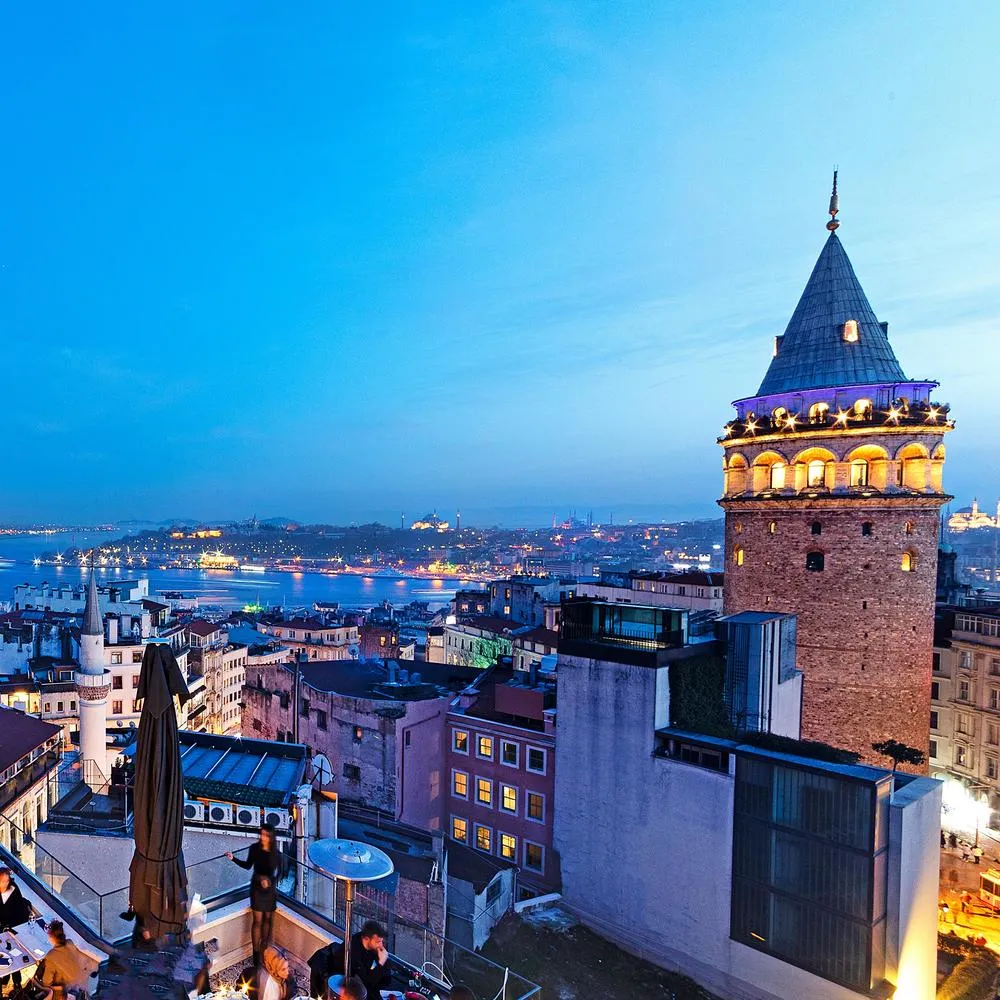
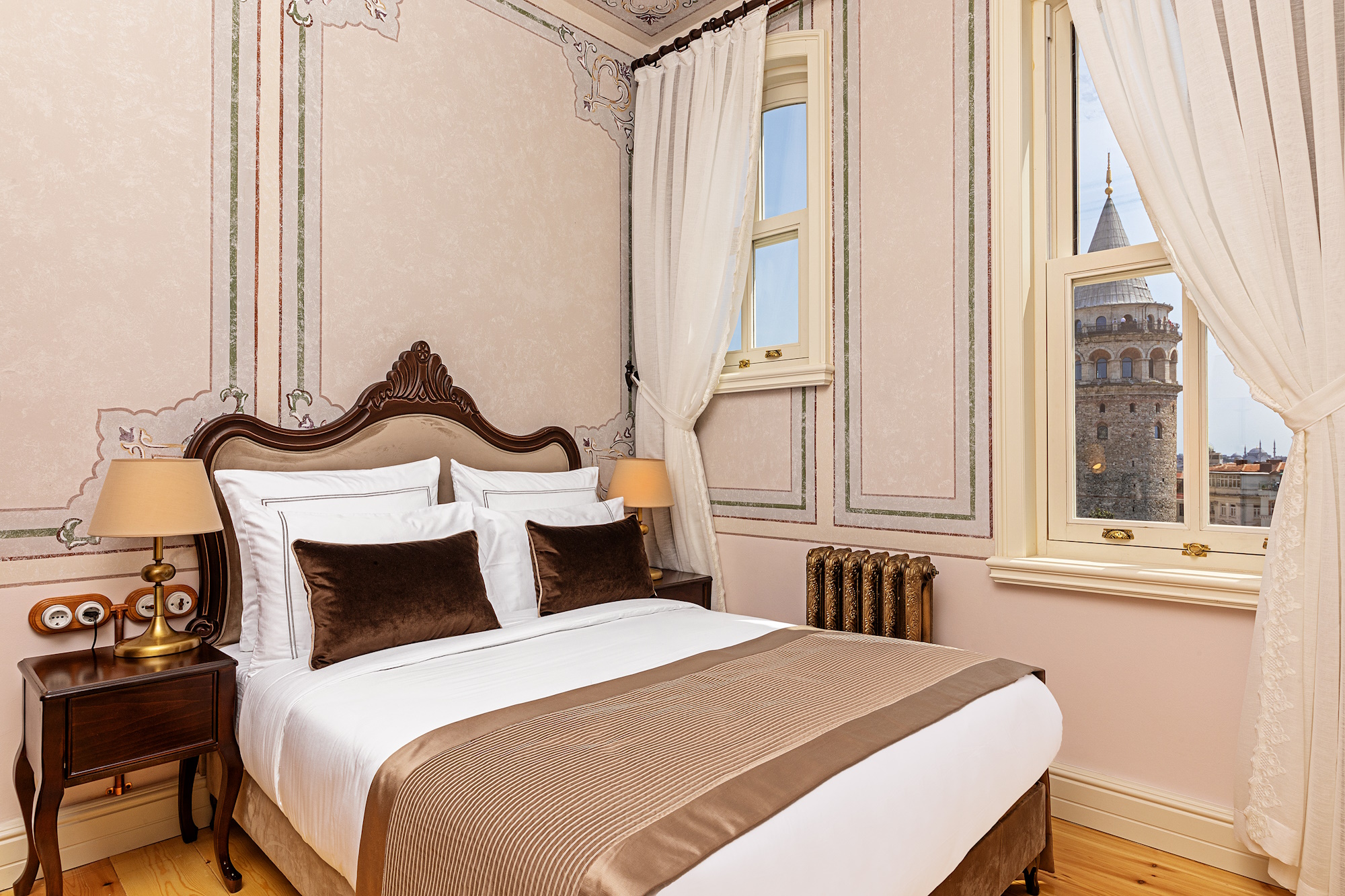
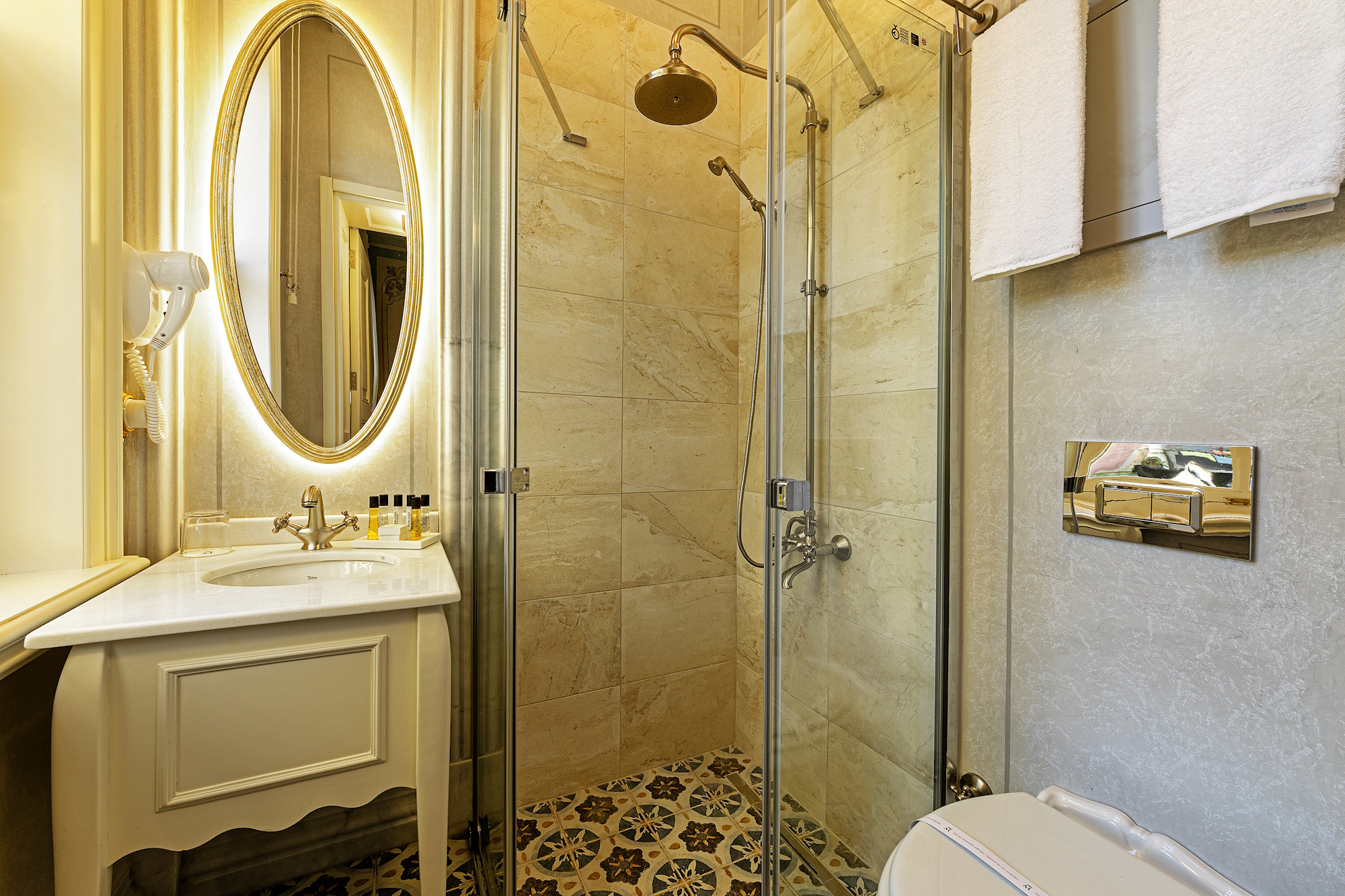
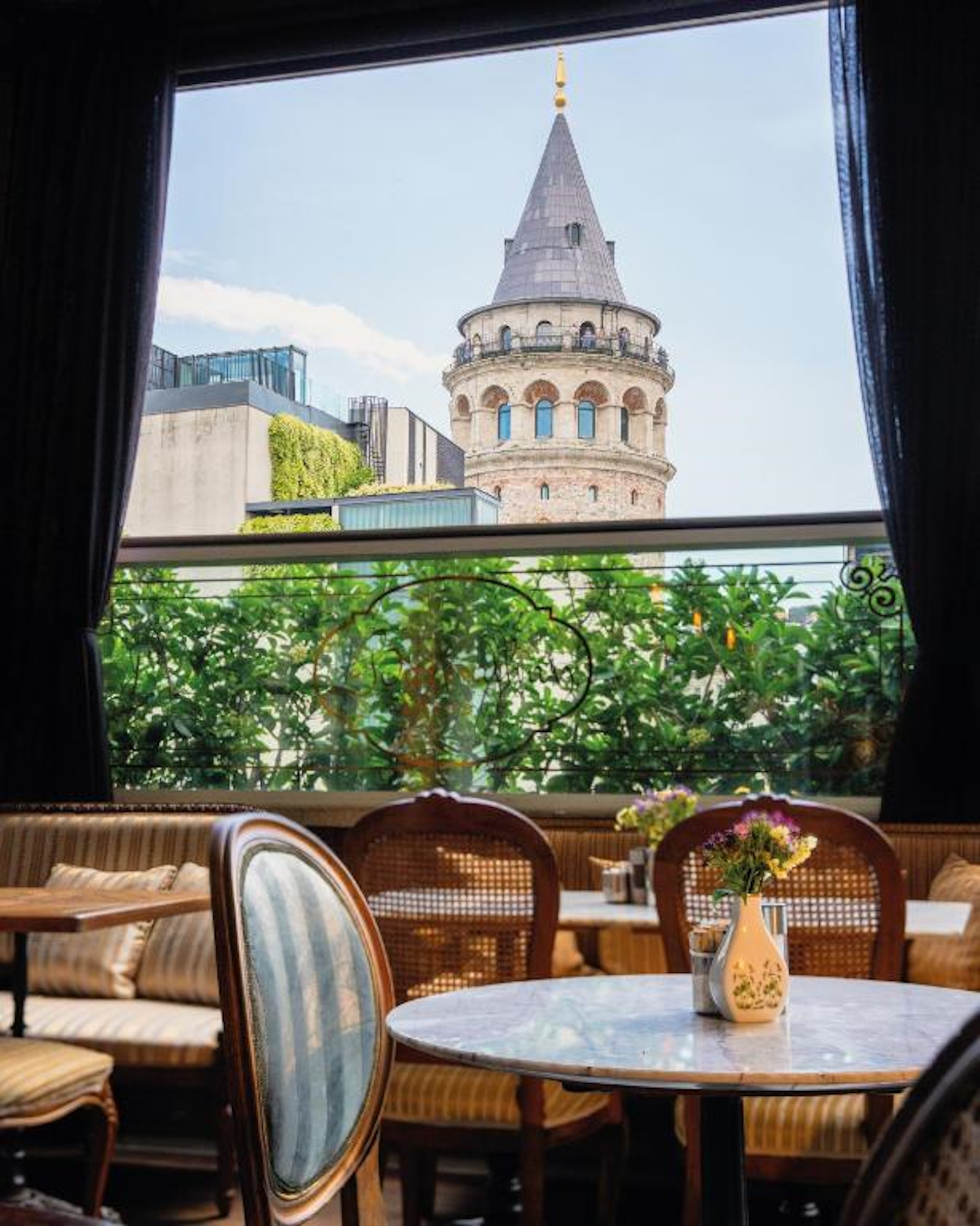
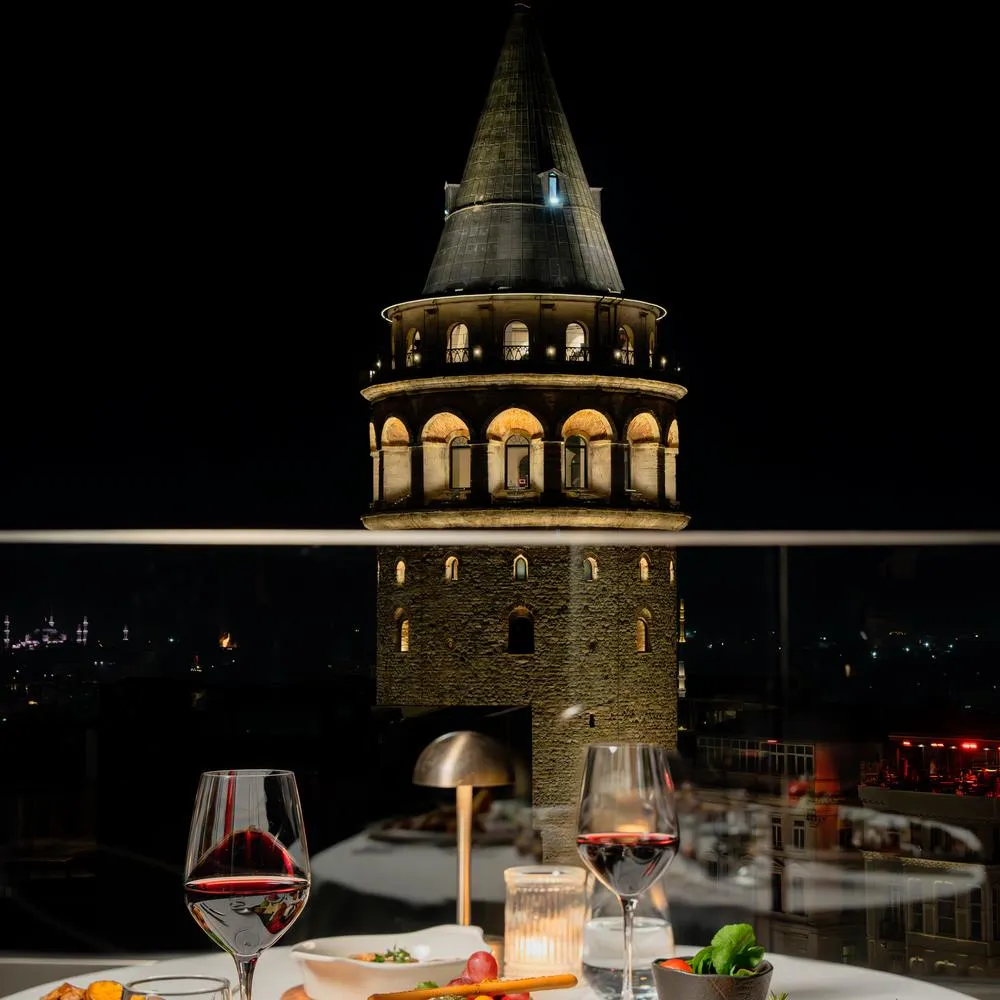
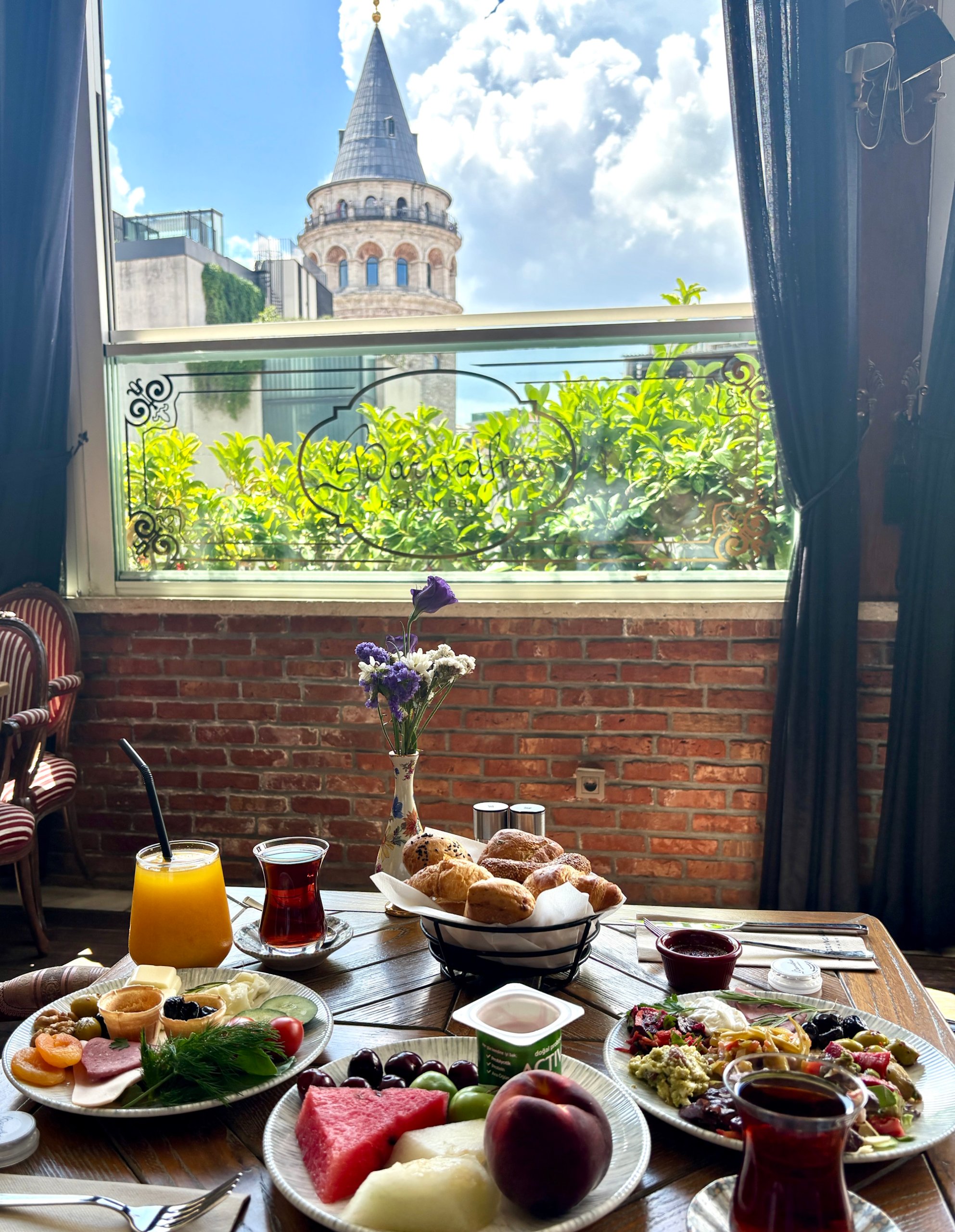
Standing at the crossing of Galata and Pera for some 130 years, this monument lives on today as Meroddi Barnathan, kept with the same care. Its full story is recorded in the book "Barnathan Apartmanları" (Çiğdem Oğuz, 2016), published with the support of Nar Yatırım.