Many people wonder where the name of the neighbourhood we mention every day comes from. There is no single answer — and that is the beauty of it. There are several different accounts of the name Galata, each defended by its own historian. All of them reveal just how layered this neighbourhood is.
Account 1: Milk
The most beloved explanation is based on the Greek word "gala", meaning milk. According to this view, the area was known for its dairies in its earliest days of settlement. Evliya Çelebi supports this view in his Seyahatname: as he recounts, because the land here was green and its air pleasant, dairy sheep and cattle were grazed here, milked, and their milk taken to the king. As delicious milk came from this fertile soil, the neighbourhood came to be called "Galata."
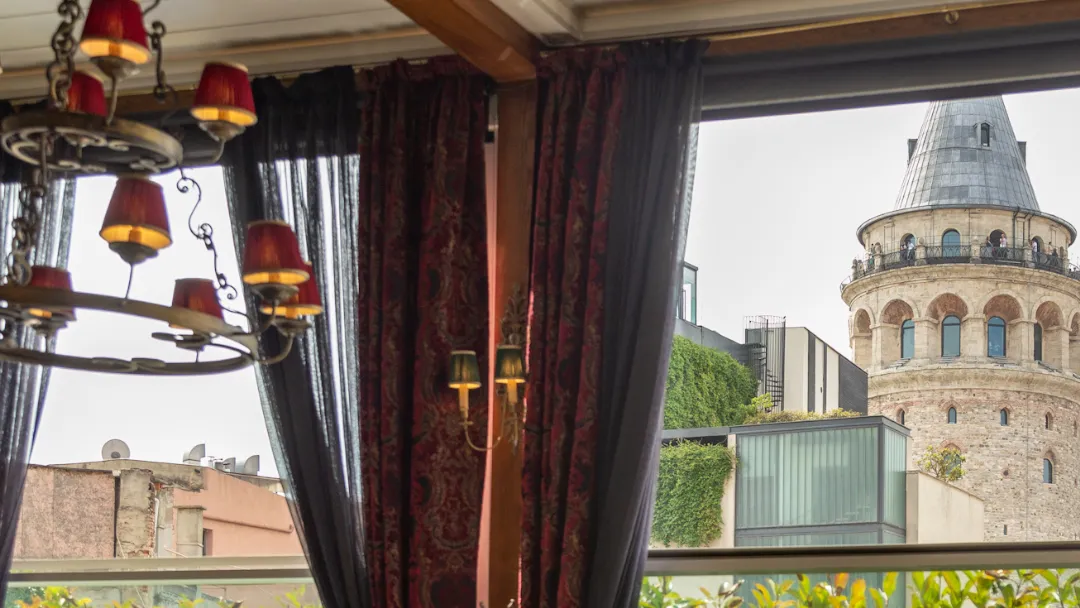
In other words, the steep streets around Galata Tower where you enjoy coffee today were once green slopes where animals grazed.
Account 2: Fig Orchard
The second account reaches further back. Many sources state that the neighbourhood’s name before Galata was Sycae, and that this name meant "fig orchard" in Greek. Known as Sycae until the seventh century, the area was broad enough to encompass not only present-day Galata but also the surroundings of the Golden Horn. After Byzantine Emperor Justinian I restored the theatre, walls and church here, he gave the area his own name: Justinianopolis. But when the emperor died, the city returned to its former name — names rooted in the language of the people outlive those bestowed by emperors.
Account 3: Thirty-four guards
A third account connects the name directly to people. According to this narrative, the area had a bathhouse, church, mill, theatre and homes; the thirty-four guards who protected them were called Collegiatos, and this name eventually became Galata. A fourth interpretation traces the name to the Celtic-origin people known in Turkish as the Galatians.
And what about "Pera"?
Galata’s name may be debated, but its neighbour’s is quite straightforward: Pera means "the opposite shore" in Greek. The Genoese called themselves Magnifica Communita di Peyra — the Magnificent Community of Pera. As Galata expanded uphill, the upper part came to be known as Pera, while the lower part, where the tower and walls stood, remained Galata. Today, these two names are used interchangeably on many maps; the area where Meroddi hotels are located is precisely where these two worlds meet.
So which is true?
Probably none of them on its own. City names take shape in the speech of the people more than in archival documents; one account feeds another, one is forgotten, another takes hold. Galata’s name, too, is the product of such a collective memory — a story in which milk, figs and guards have mingled for seven centuries.
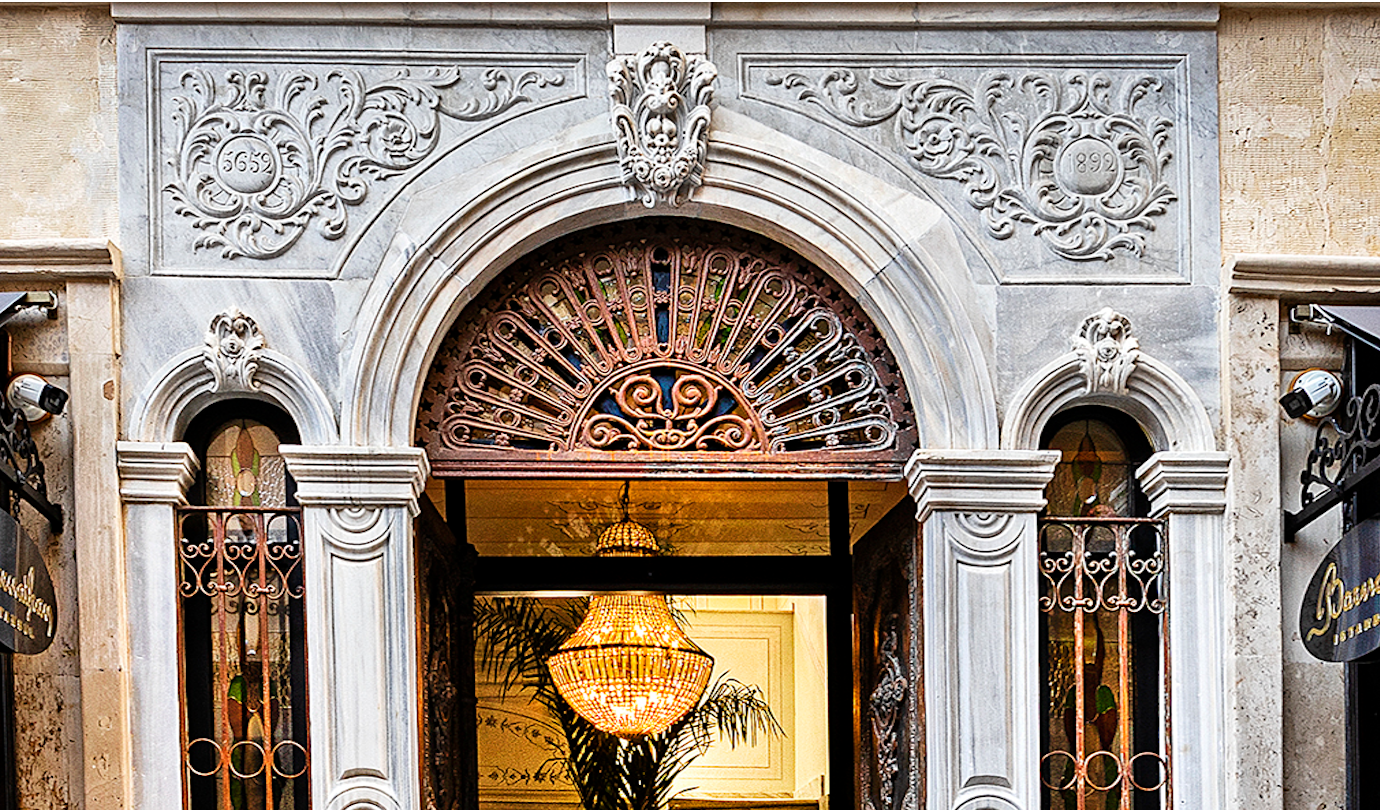
We, too, took our name from this neighbourhood’s oldest written stone. Because names here are never accidental; they are always the shortened form of a story.
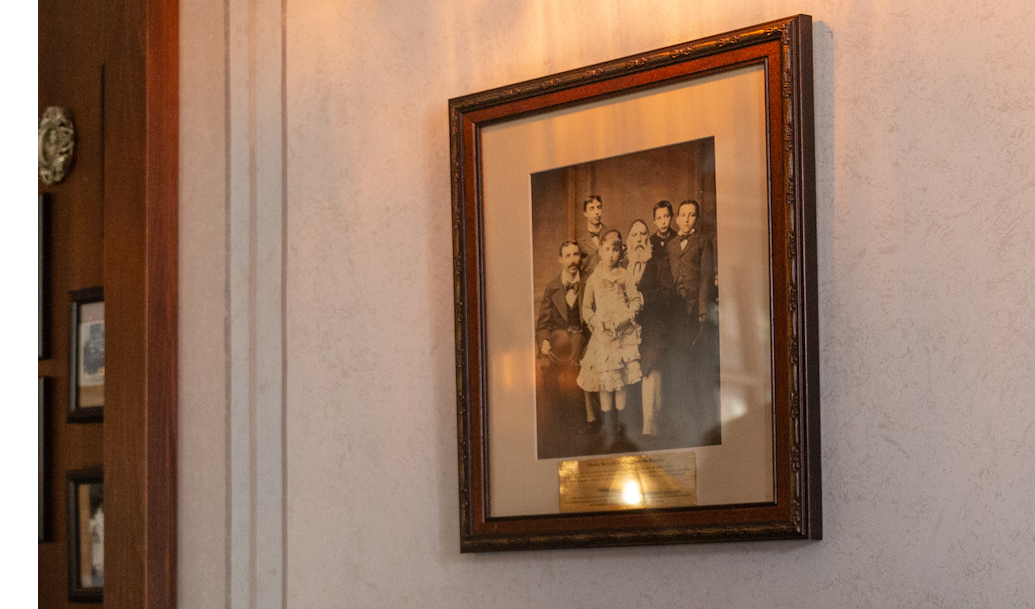
Source: "Barnathan Apartmanları" (Çiğdem Oğuz, Nar Yatırım, 2016). To stay in the heart of Galata: Meroddi Hotels →