For many people in Turkey, the name "Maksim" still brings back the glittering music-hall nights of the 1960s and 1970s. Yet the story of this Taksim venue begins forty years earlier, with a man born in Mississippi who fled from Moscow to Istanbul. His name was Frederick Bruce Thomas, and he was the man who brought jazz to Istanbul.
Beyoğlu's stage tradition
When Thomas arrived, Beyoğlu's nightlife already had a long history. The Naum Theatre, opened in 1844 on the site of today's Çiçek Pasajı (Flower Passage), staged Italian opera, and Verdi's works met Istanbul audiences there. The theatre burned down in the great Pera fire of 1870, and Çiçek Pasajı was built in its place in 1876. Half a century later, Pera was ready for a new kind of music.
From Mississippi to Moscow
Frederick Bruce Thomas was born in Mississippi in 1872, the son of a family just freed from slavery. To escape the weight of racism he went to Europe at a young age, worked as a waiter and in hotels, and finally settled in Russia. In Moscow he became known as Fyodor Tomas, rising from managing the city's elegant entertainment venues to running his own nightclub. The 1917 Revolution changed everything. Thomas fled south with as much of his family and savings as he could save.
1919: Istanbul's first jazz nights
Thomas arrived in 1919, in the Istanbul of the Mütareke, the Allied occupation of the city from 1918 to 1923. The city was occupied; its streets were full of British, French and Italian soldiers and thousands of refugees from Russia. That same year Thomas opened a garden club called Stella in Şişli. At Stella, Istanbul saw jazz orchestras and people dancing the foxtrot and the Charleston for the first time, and it soon became the city's most fashionable address.
The birth of Maxim
In 1921 Thomas built a bigger stage: Maxim, on Sıraselviler Street in Taksim. Named after the famous Maxim in Moscow, the club became the meeting place of Istanbul society, diplomats and occupation officers. The posters said "Maxim"; Istanbulites called it Maksim. Thanks to the orchestras Thomas brought in, jazz became the music of Pera's nightlife.
After the proclamation of the Republic, Maxim remained one of the symbols of the new Istanbul's Western-style entertainment. But Thomas's luck did not last: he struggled with debts, taxes and bankruptcies. He died in Istanbul in 1928. In its obituary, the New York Times called him "the sultan of jazz".
Maksim Gazinosu: the second act
After Thomas, Maxim fell silent for years. On 28 October 1961 the same place reopened as Maksim Gazinosu, a gazino (a Turkish music hall with dinner and stage shows), on the initiative of Fahrettin Aslan. In the 1960s and 1970s it became one of Turkey's most famous stages, and an era of Turkish nightlife was lived in this hall. The gazino closed in the mid-2000s. The building is a hotel today, its historic façade preserved. Few of those who pass by know that the first stage behind its doors was a jazz club.
Jazz in Galata today
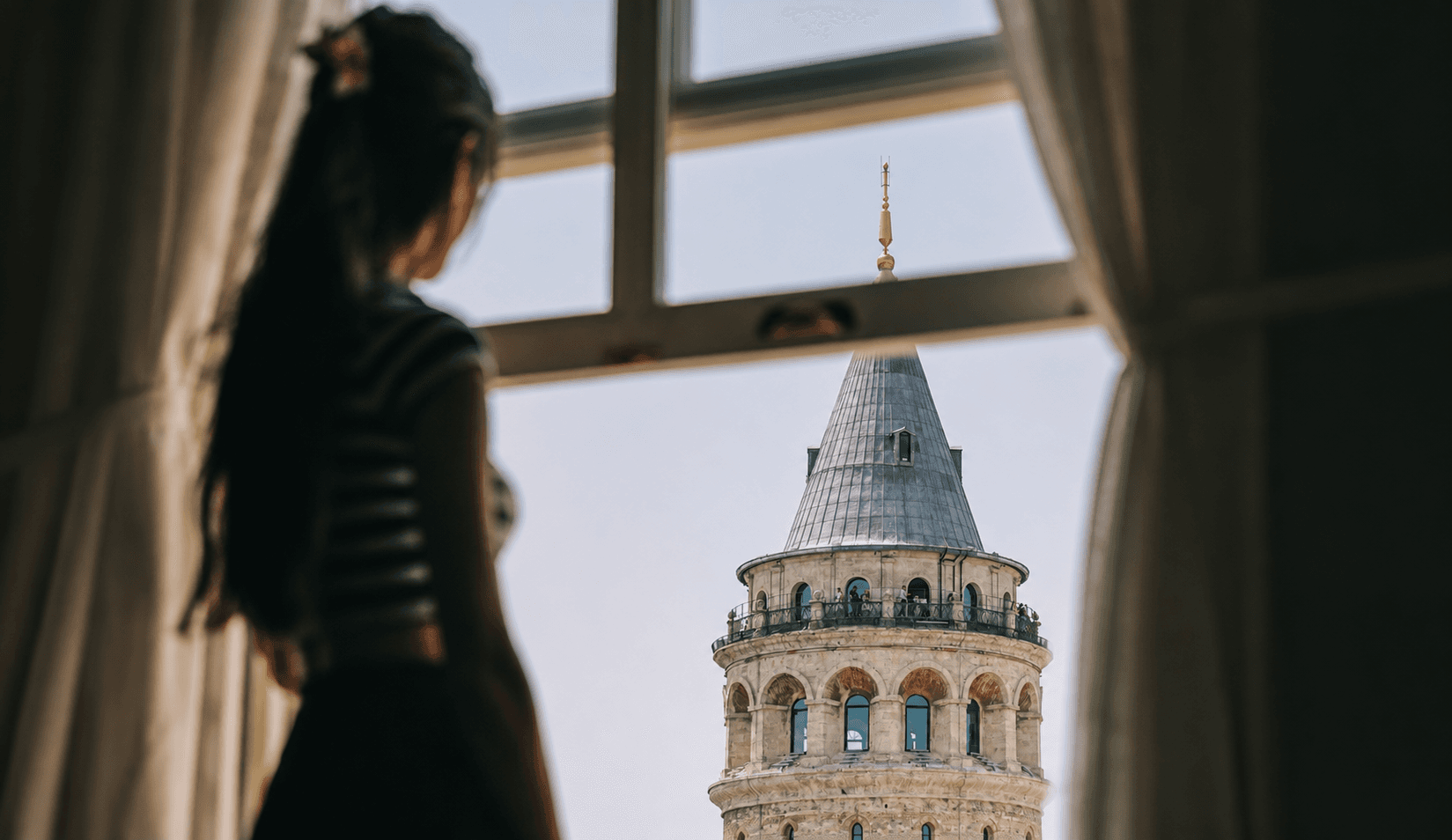
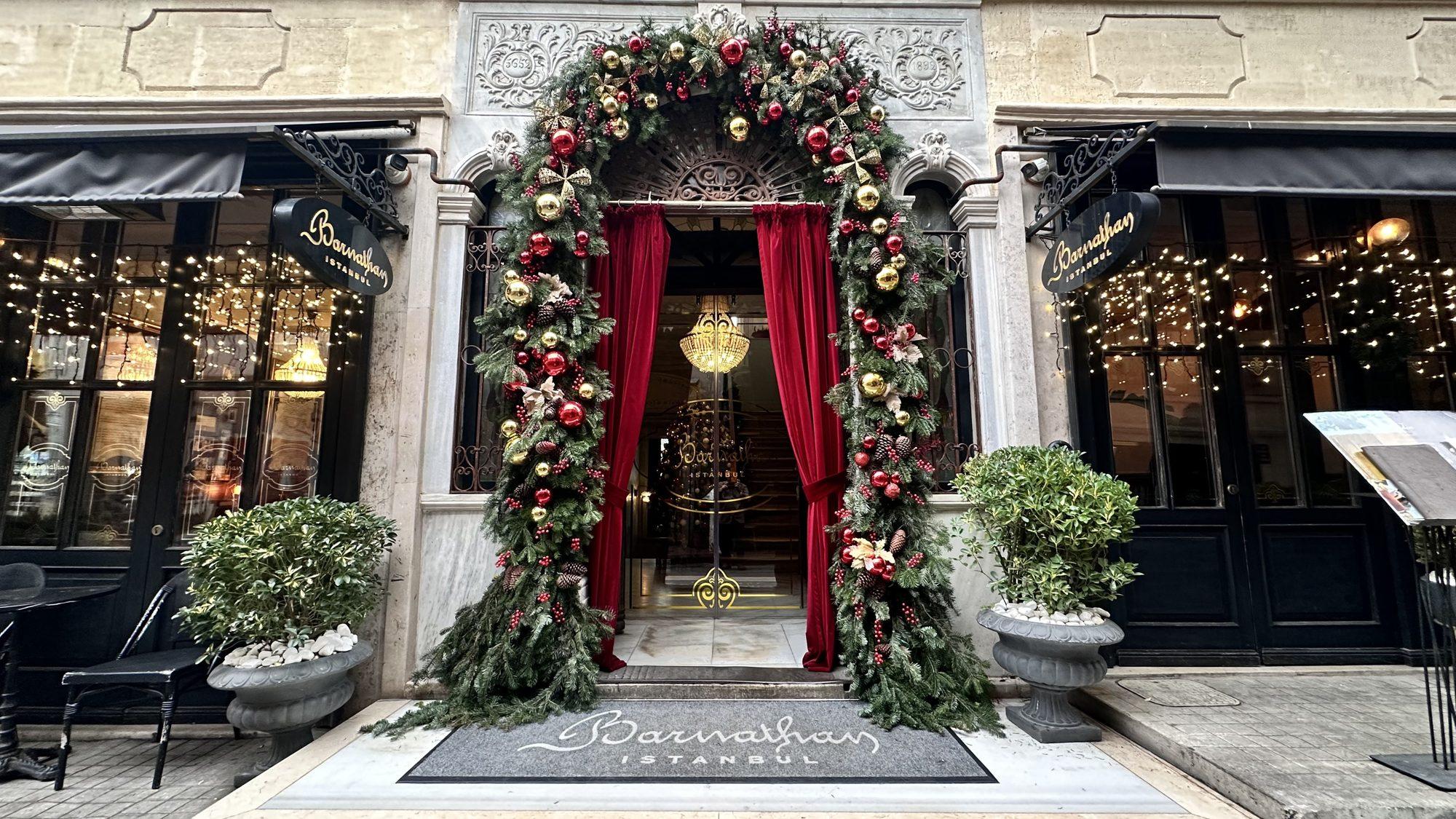
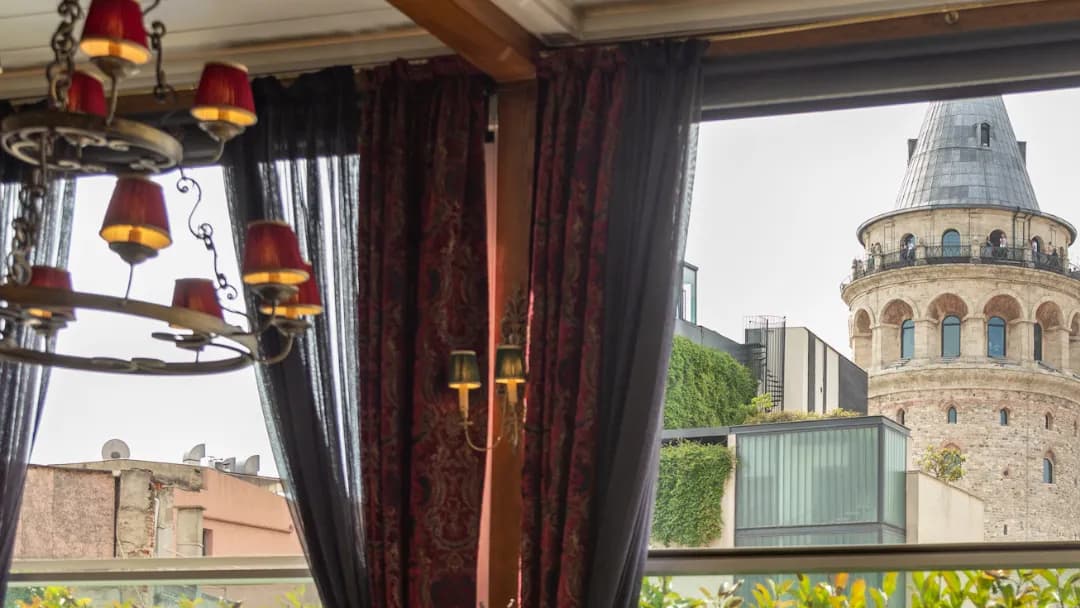
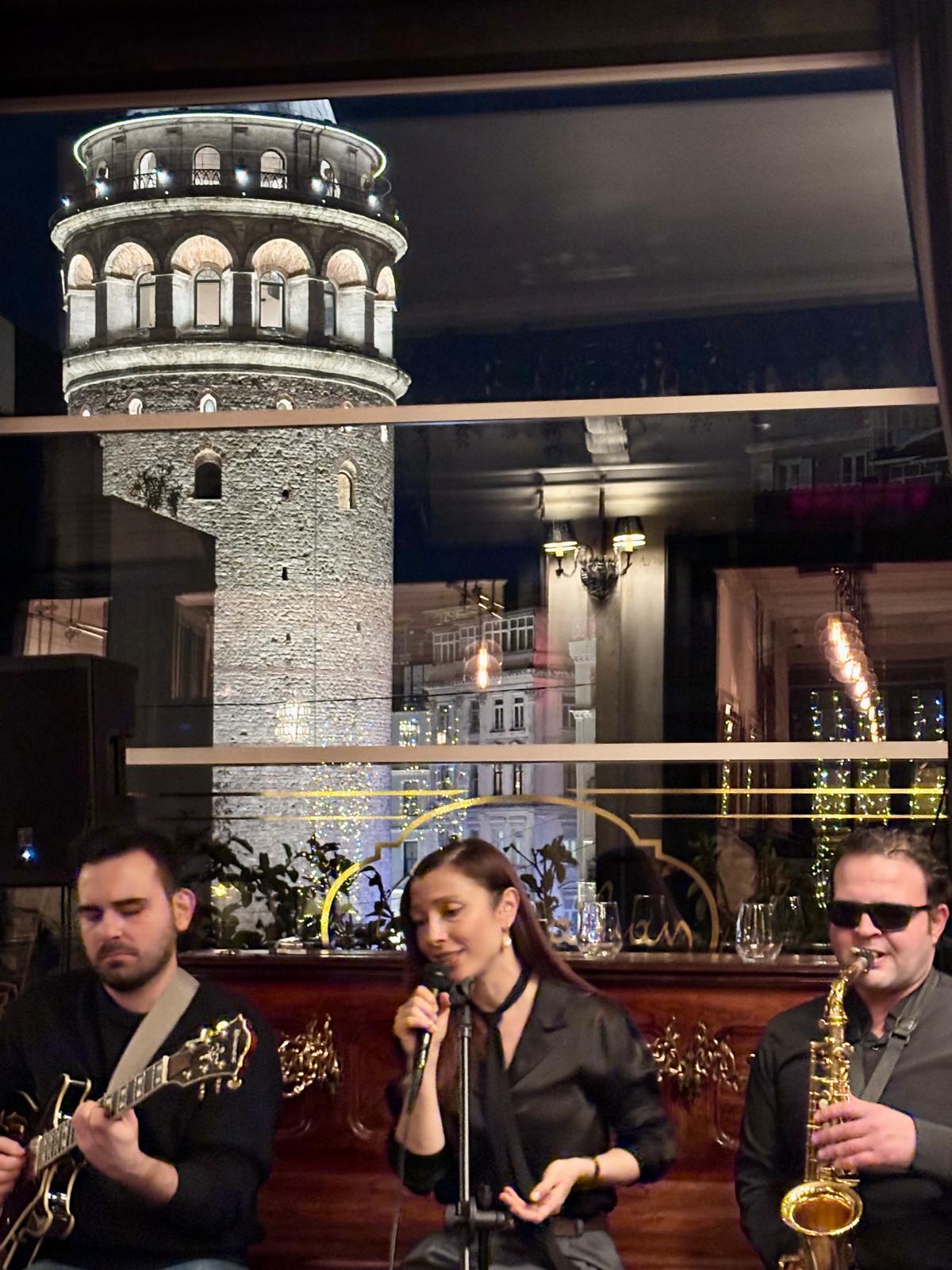
A century later, the music Thomas brought to Istanbul still fills Beyoğlu's evenings. In the garden of the 1892 Barnathan Apartment next to Galata Tower, at Barnathan Garden, Jazz Weekend brings live jazz every Friday, Saturday and Sunday evening from 19:30 to 22:00; in winter the garden is covered and heated. For other jazz stages in the city, see our guide to where to listen to jazz in Istanbul, and for the New Year's nights of the occupation years, read a short history of New Year's Eve in Istanbul.
Frequently asked questions
Who founded Maksim Gazinosu?
The venue was founded in 1921 by the American Frederick Bruce Thomas as a jazz club named Maxim. In 1961 it reopened as Maksim Gazinosu on the initiative of Fahrettin Aslan.
Where was Maksim Gazinosu?
It was on Sıraselviler Street in Taksim. The gazino closed in the mid-2000s; the building is used as a hotel today.
How did jazz come to Turkey?
Jazz reached Istanbul after 1919, during the occupation years. The orchestras that played at Frederick Bruce Thomas's Stella club in Şişli and Maxim club in Taksim started the city's first jazz nights.
Sources
- Vladimir Alexandrov, The Black Russian (2013).
- "Listening for Jazz in Post-Armistice Istanbul", International Journal of Middle East Studies, Cambridge University Press.
- Küre Ansiklopedisi, "Maksim Gazinosu" entry.