The apartment life we associate with Istanbul today — separate flats under one roof, stair landings, next-door neighbours — spread across the city from one neighbourhood: Galata. The historic buildings that house Meroddi hotels are the children of this first generation. But why here? The answer lies at the intersection of a fire, demolished walls and a municipality inspired by Paris.
The nightmare of a wooden city: fire
The greatest problem of nineteenth-century Istanbul was fire. Almost all homes in Galata and its surroundings were wooden, mansion-style buildings with gardens, and a single spark could erase entire neighbourhoods. The great Pera fire of 1870 destroyed no fewer than eight thousand structures. After this disaster, the administration’s first priority was clear: the city had to turn to stone. Stone and masonry buildings were encouraged; they were even granted the right to rise higher than wooden ones, while material transport fees were reduced. The multi-storey stone building — in other words, the apartment house — was thus born out of necessity.
A municipality inspired by Paris
During the same years, Istanbul was also becoming acquainted with modern municipal administration. With the reforms of 1857–58, the city was divided into fourteen municipal districts, and the first district to become operational was Galata-Beyoğlu. Inspired by Paris’s famous "Sixième Arrondissement," this first municipality was named Altıncı Daire-i Belediye — not because it was sixth in the order, but because it emulated Paris’s sixth arrondissement. Streets were lit, new roads were opened and the district was mapped. Meanwhile, the walls dating from the Genoese era were demolished; even in 1853, their gates were closed at night, and they had become too restrictive for the growing city. Today, all that remains of the walls are street names such as Büyük Hendek and Küçük Hendek.
A new middle class, a new life
Incentives for stone buildings and municipal reform alone would not have been enough; what truly created the apartment house was the people who would move into it. As Ottoman trade with Europe grew, banks, railway companies and merchants settled in Galata. According to the 1885 census, 47 percent of the population of Pera, Galata and Tophane consisted of foreigners. This new middle class — doctors, bank clerks and railway employees — did not own mansions, yet wished to live comfortably. A rental flat was exactly right for them. The 1858 Land Code, which secured ownership through title deeds, also encouraged property owners to commission apartment buildings for rental income.
The apartment house was not merely a building type; it was a declaration of lifestyle. While the traditional Ottoman home was built around privacy, the apartment building, with its shared staircases and next-door neighbours, represented a Western and public way of life.
The first examples are still standing today
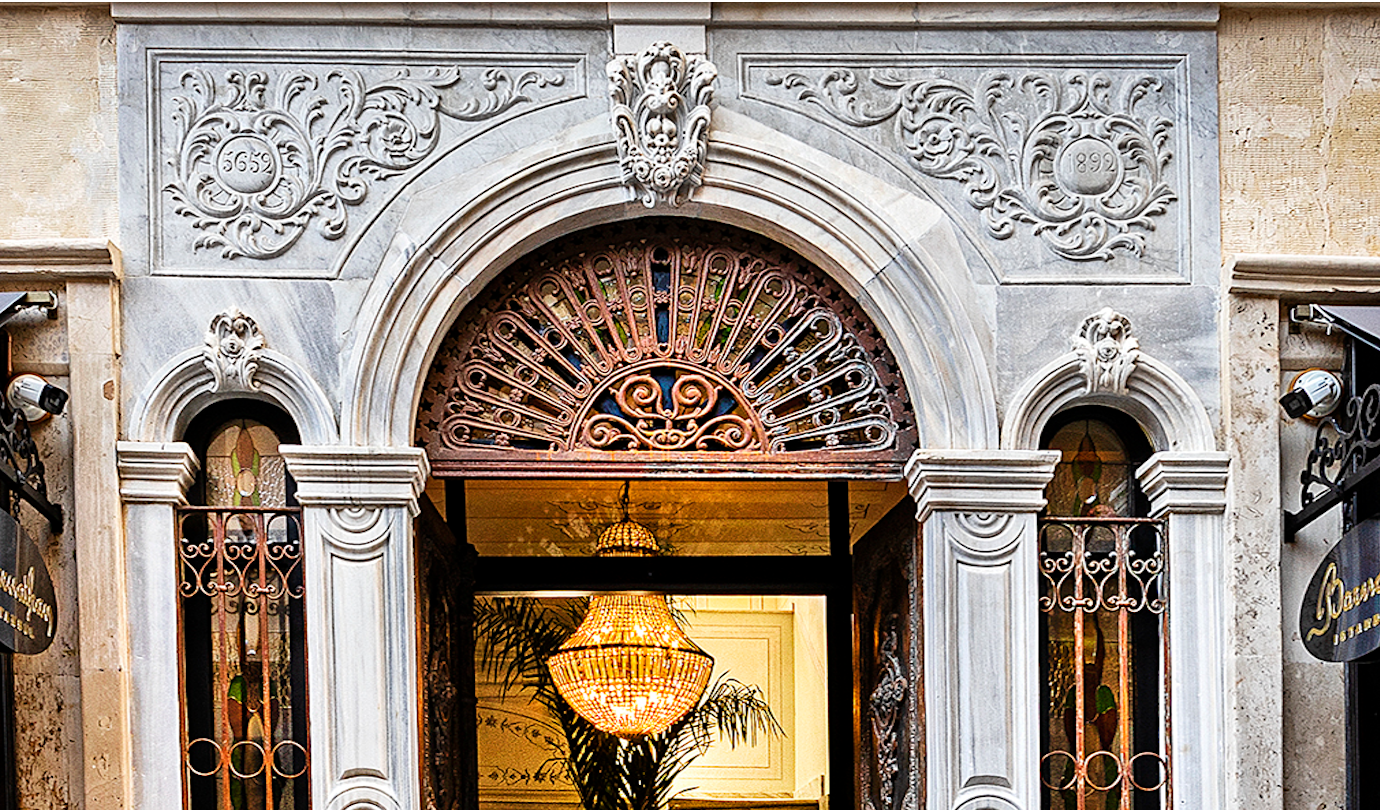
The two greatest witnesses to this transformation still stand in their places today: the Helbig of the time, now known as Doğan Apartmanı — and the Barnathan Apartments, which rose in 1892–93. One with its courtyard, the other with its unsupported French balconies, both buildings embody the architecture of that first decade in which Istanbul encountered apartment living. Successors such as the Bağdatlıyan Apartments continued the same wave.
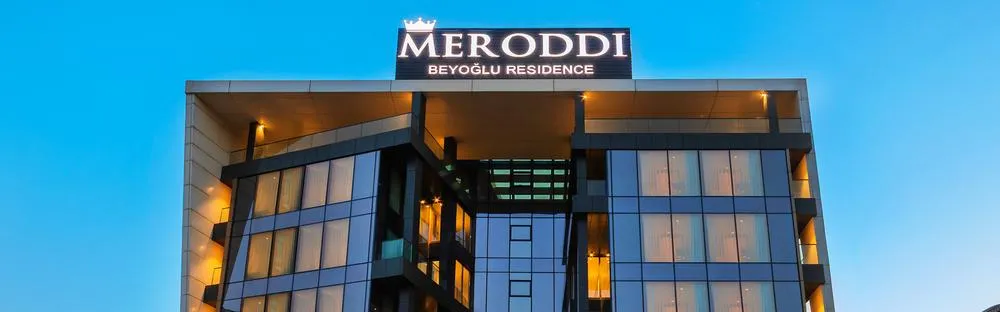
Staying at Meroddi means, in part, staying within this story: on the streets where Istanbul learned the word "apartment," in the high-ceilinged rooms of those first buildings.
Source: "Barnathan Apartmanları" (Çiğdem Oğuz, Nar Yatırım, 2016). If you would like to stay in one of the first apartment buildings: Meroddi Barnathan →