When restoring a historic building, one of the most difficult questions is how to furnish its interiors. Add modern furniture and the building becomes a shell; choose imitation antiques and the décor feels false. At Barnathan, we sought an answer in the neighbourhood’s own history — and found a master who once lived in Galata.
A new craft for the apartment age
As apartment buildings multiplied in Galata and Pera in the second half of the 19th century, homes changed inside too: chairs, sideboards and consoles joined the divan and floor cushions. Pera became Istanbul’s centre for imported furniture, with shops bringing pieces from Europe opening on İstiklal Avenue, at Tünel and in Galata. By the turn of the century, fifty-one carpenters and twenty-eight furniture dealers were registered in Istanbul.
Maison Psalty
One of the best known of these shops was Maison Psalty, founded in Beyoğlu in 1867 by Jean Psalty. Psalty adapted European fashions for Istanbul, imported Thonet chairs from Austria and also made furniture to order. The firm had four shops in Pera: on İstiklal Avenue, in Galata, at Tünel (opened in 1893) and in Tepebaşı (opened in 1913). The main shop stood opposite today’s Beyoğlu Municipality building, on Müellif Sokak, formerly Kabristan Sokak; that building no longer exists.
From the palace to Ankara
Psalty’s invoices carried the sultan’s monogram and the words Ébeniste de S.M.I. le Sultan (Cabinetmaker to His Imperial Majesty the Sultan); the palace bought from Pera’s shops, Psalty among them. The firm kept working in the early years of the Republic: the walnut armchairs and side tables in the entrance hall of the Atatürk Museum Pavilion in Ankara were bought from Maison Psalty, and the firm’s label can still be found inside the tables. The firm closed in 1952.
Salti Passage: where is the workshop today?
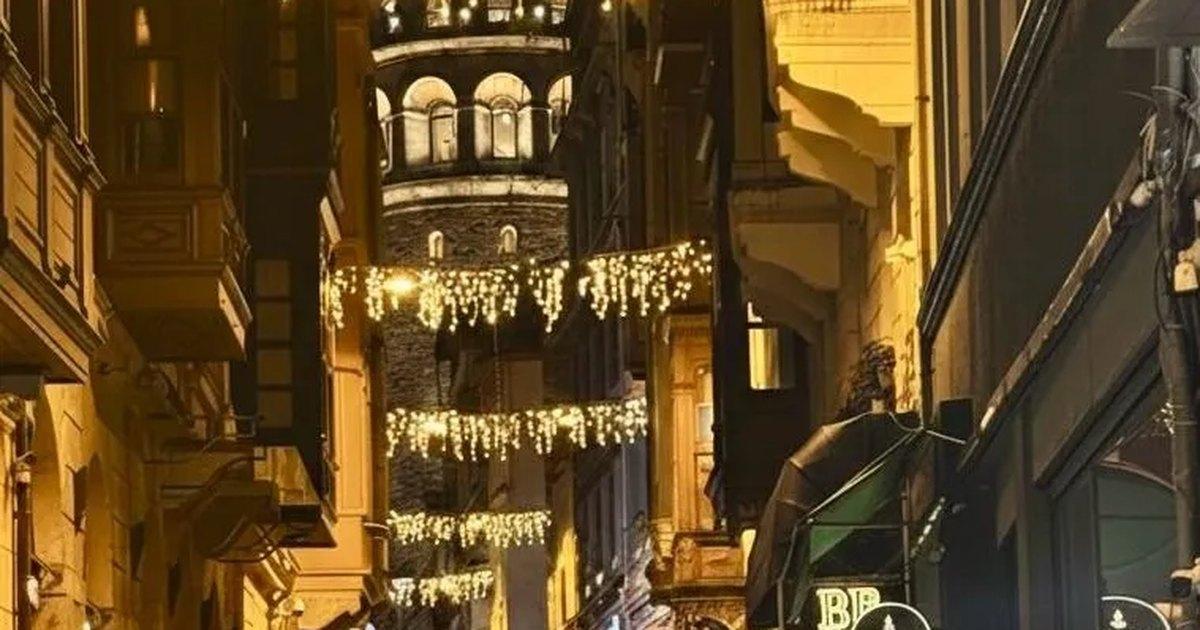
Psalty’s home and workshop were inside a passage on Şahkulu Sokak. Built to make and sell furniture under one roof, the building of three blocks around a courtyard still stands as Salti Passage; part of it has been converted into homes. The passage is right in front of Meroddi Pera Flats, and Meroddi Barnathan Hotel is a few steps away.
See also Salti Passage on Galata Hub.
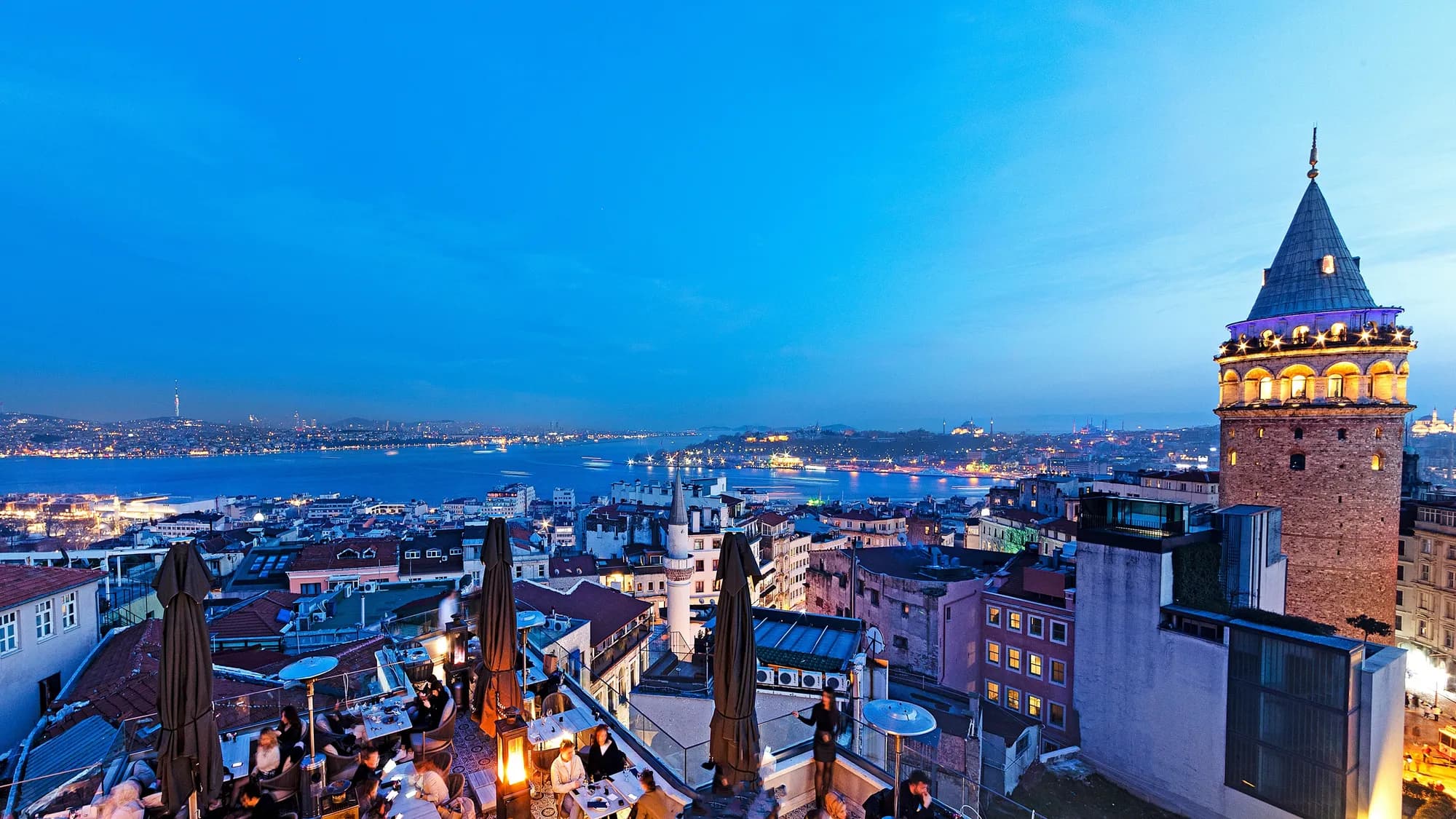
So while the Barnathan Apartments were rising, the furniture for their flats was being made a few streets away: a neighbourhood whose architecture, marble, ironwork and furniture all came from the same hillside.
A search among antique dealers
While planning Barnathan’s furnishings, we traced the original pieces by Psalty. We found several at antique dealers. We were not fortunate enough to purchase them — but we photographed them. What remained with us were the dimensions, proportions, woodwork and details of furniture made in this neighbourhood one hundred and thirty years ago.
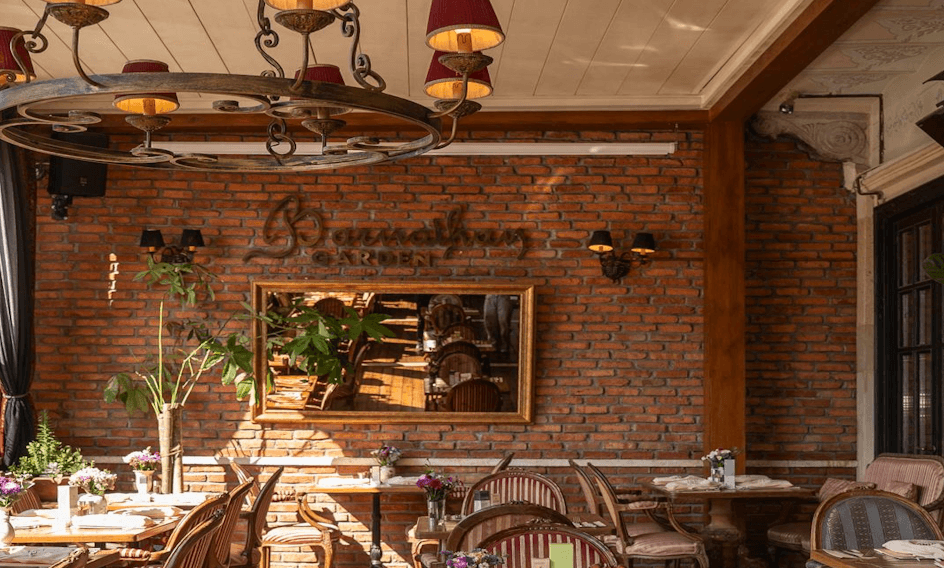
Barnathan’s furniture and furnishings today were created with these records as inspiration. They are neither reproductions nor imitations: rather, an interpretation that brings the design language of the same neighbourhood and period together with today’s standards of comfort.
Why did we go to such lengths?
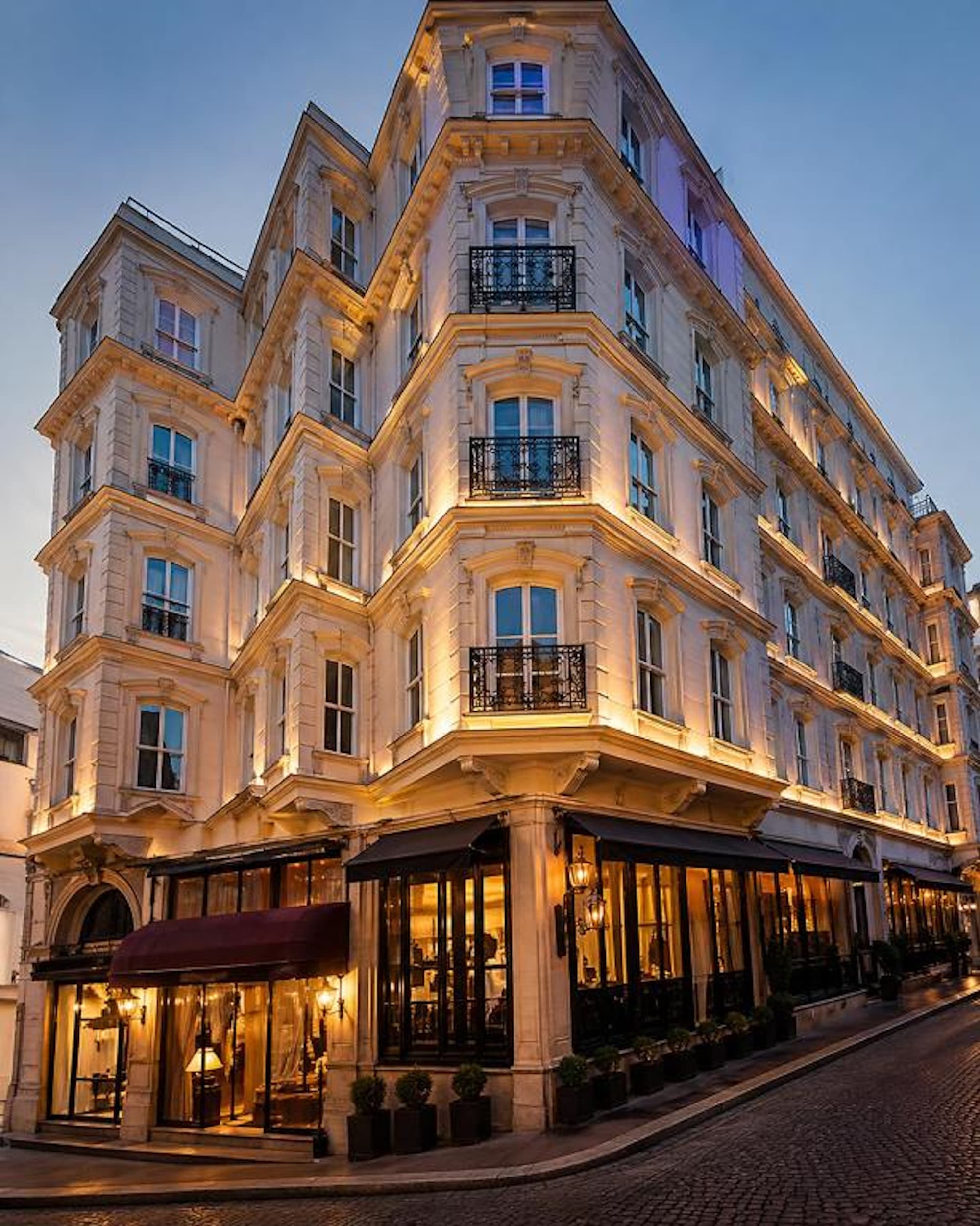
Because a building’s character lives not only in its façade, but also within it. To preserve Barnathan’s unsupported French balconies, rose and acanthus motifs, and 3.40-metre ceilings with care, only to place unrelated furniture in its rooms, would be like saying half a sentence and falling silent.
Now, when you sit in a room, everything around you tells the same story: stone, ceiling, motif and furniture. All from Galata.
Sources: Meroddi archive; G. Can, A. Gürpınar, TOJDAC 11(3), 2021; L. N. E. Arıburun, İTÜ, 2012; S. Andaç Güzel, Efe, Ankara Araştırmaları Dergisi 8(1), 2020.